


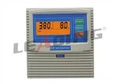
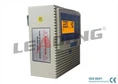


Humidity can pose a significant threat to three - phase submersible pump control boxes. As a trusted supplier of Three Phase Submersible Pump Control Boxes, I understand the importance of protecting these crucial components from the damaging effects of moisture. In this blog, I'll share some effective strategies to safeguard your control boxes from humidity.
Understanding the Risks of Humidity
Before delving into the protective measures, it's essential to comprehend why humidity is a problem for three - phase submersible pump control boxes. Humidity can lead to corrosion of electrical components, short - circuits, and reduced insulation resistance. These issues can not only cause the control box to malfunction but also pose safety hazards.
Corrosion is one of the most common problems caused by humidity. When moisture comes into contact with metal parts inside the control box, it initiates a chemical reaction that gradually eats away at the metal. This can weaken the structural integrity of components and disrupt electrical connections.
Short - circuits are another serious consequence of high humidity. If water droplets accumulate on electrical conductors, they can create an unintended path for electricity, leading to a short - circuit. This can damage the control box and potentially cause a fire.
Reduced insulation resistance is also a concern. Moisture can penetrate the insulation materials, reducing their ability to prevent the flow of electricity. This can result in electrical leakage, which not only wastes energy but also increases the risk of electrical shock.
Selecting the Right Location
The first step in protecting a three - phase submersible pump control box from humidity is to choose an appropriate location for installation. The ideal location should be dry, well - ventilated, and protected from direct exposure to water.
Avoid installing the control box in areas prone to flooding, such as basements or near water sources. If possible, mount the control box on a wall at a higher elevation to minimize the risk of water splashing or flooding.
Good ventilation is crucial to prevent the buildup of humidity inside the control box. Ensure that there is adequate space around the control box for air circulation. You can also consider installing vents or fans to improve ventilation.
Using Protective Enclosures
Investing in a high - quality protective enclosure is an effective way to shield the control box from humidity. The enclosure should be made of a durable, moisture - resistant material, such as stainless steel or fiberglass.
A well - sealed enclosure can prevent water and moisture from entering the control box. Look for enclosures with gaskets or seals around the doors and access points to ensure a tight fit. Some enclosures also come with a NEMA (National Electrical Manufacturers Association) rating, which indicates their level of protection against environmental factors, including moisture.
When selecting an enclosure, make sure it is large enough to accommodate the control box and any additional components, such as circuit breakers or relays. This will allow for proper installation and maintenance.
Implementing Moisture - Absorbing Materials
Moisture - absorbing materials can help reduce the humidity levels inside the control box. Silica gel packets are a popular choice for this purpose. These packets contain a desiccant that absorbs moisture from the air.
Place silica gel packets inside the control box, preferably in areas where moisture is likely to accumulate. Check the packets regularly and replace them when they become saturated. You can tell if a silica gel packet is saturated by its color change. Most silica gel packets change from blue to pink when they are full of moisture.
Another option is to use activated charcoal. Activated charcoal has a large surface area that can adsorb moisture and odors. Like silica gel packets, activated charcoal should be replaced periodically to maintain its effectiveness.
Applying Anti - Corrosion Coatings
Applying an anti - corrosion coating to the electrical components inside the control box can provide an extra layer of protection against humidity. There are various types of anti - corrosion coatings available, such as epoxy coatings and polyurethane coatings.


These coatings create a barrier between the metal components and moisture, preventing corrosion. Before applying the coating, make sure the components are clean and dry. Follow the manufacturer's instructions carefully when applying the coating to ensure proper coverage and adhesion.
Regular Maintenance and Inspection
Regular maintenance and inspection are essential for keeping the control box in good condition and protecting it from humidity. Schedule routine inspections to check for signs of moisture, corrosion, or damage.
During the inspection, look for water droplets, rust, or discoloration on the components. Check the seals and gaskets on the enclosure for any signs of wear or damage. If you notice any issues, address them promptly to prevent further damage.
Clean the control box regularly to remove dust, dirt, and debris. Use a dry cloth or a soft brush to clean the components. Avoid using water or any liquid cleaners, as this can introduce moisture into the control box.
Monitoring Humidity Levels
Installing a humidity sensor inside the control box can help you monitor the humidity levels and take appropriate action if necessary. The sensor can provide real - time data on the humidity inside the control box, allowing you to detect any changes or potential problems.
If the humidity levels exceed a certain threshold, you can take steps to reduce the humidity, such as replacing the moisture - absorbing materials or improving ventilation. Some humidity sensors can also be connected to an alarm system, which will alert you if the humidity levels are too high.
Conclusion
Protecting a three - phase submersible pump control box from humidity is crucial for ensuring its reliable operation and longevity. By following the strategies outlined in this blog, such as selecting the right location, using protective enclosures, implementing moisture - absorbing materials, applying anti - corrosion coatings, performing regular maintenance and inspection, and monitoring humidity levels, you can minimize the risk of damage caused by humidity.
As a supplier of Three Phase Submersible Pump Control Boxes, I offer a wide range of high - quality products, including the Multifunction Three Phase Pump Control Panel Overload Protection for Waste Water Systems, M531 Three Phase Water Pump Control Panel For, and Sewage Water Pump Controller Inside Built Level Transmitter. These products are designed to withstand harsh environmental conditions and provide reliable performance.
If you are interested in purchasing our products or have any questions about protecting your three - phase submersible pump control box from humidity, please feel free to contact us for further discussion and procurement negotiations.
References
- "Electrical Equipment Protection Against Environmental Conditions" - National Electrical Manufacturers Association (NEMA)
- "Corrosion Prevention and Control in Electrical Systems" - Institute of Electrical and Electronics Engineers (IEEE)
- "Moisture Management in Enclosures" - Underwriters Laboratories (UL)