


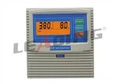
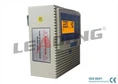


What is a pump control panel? Well, as a pump control supplier, I'm super excited to break this down for you. A pump control panel is like the brain of a pumping system. It's the key component that manages and monitors the operation of pumps, ensuring they work efficiently and safely.
Let's start with the basics. Pumps are used in all sorts of applications, from water supply in homes and industries to wastewater management and irrigation. But just having a pump isn't enough. You need a way to control when it turns on and off, how fast it runs, and to protect it from damage. That's where the pump control panel comes in.
One of the main functions of a pump control panel is to regulate the start and stop of the pump. For example, in a water supply system, the panel can be set to turn on the pump when the water level in a tank drops below a certain point and turn it off when the tank is full. This automatic operation saves a lot of time and effort and prevents over - filling or running the pump dry, which can cause serious damage.
There are different types of pump control panels, and they vary depending on the type of pump and the application. Single - phase pump control panels are used for smaller pumps, often in residential settings. These are relatively simple and usually control the basic on - off functions. On the other hand, three - phase pump control panels are designed for larger, more powerful pumps used in commercial and industrial applications.
If you're looking for a three - phase option, check out our 3 Phase Well Pump Control Box. It's a top - notch product that provides reliable control for well pumps. And if you need something for submersible pumps, our 3 Phase Submersible Pump Control Panel Automatic Water Pump Motor Controller is a great choice. It's built to handle the unique requirements of submersible pumps, including protection against water ingress and motor overload.
Another important aspect of pump control panels is protection. They come equipped with various safety features to safeguard the pump and the entire system. Overload protection is a common one. If the pump draws too much current, which could be due to a blockage or a mechanical problem, the control panel will automatically shut off the pump to prevent damage. There's also under - voltage and over - voltage protection. Fluctuations in the power supply can harm the pump motor, but the control panel can detect these issues and take appropriate action.
In addition to basic on - off control and protection, modern pump control panels can offer advanced features. Some are programmable, allowing you to customize the pump's operation according to your specific needs. You can set different start and stop times, adjust the speed of the pump, and even monitor the system remotely. This is especially useful for large - scale industrial applications where real - time monitoring and control can improve efficiency and reduce costs.
Let's talk about the components of a pump control panel. At the heart of it is the control circuit, which consists of relays, contactors, and other electrical components. These components work together to send signals to the pump motor, telling it when to start and stop. There are also sensors, such as pressure sensors and level sensors, which provide feedback to the control panel. For example, a pressure sensor can detect the pressure in a pipeline and send a signal to the panel to adjust the pump speed accordingly.
The enclosure of the pump control panel is also an important consideration. It needs to be durable and able to protect the internal components from environmental factors like dust, moisture, and corrosion. In harsh industrial environments, you might need a panel with a high - level of protection, such as an IP65 - rated enclosure.
When it comes to choosing a pump control panel, there are a few things to keep in mind. First, consider the type and size of your pump. Make sure the panel is compatible with the pump's voltage, current, and horsepower requirements. Second, think about the application. If you need advanced features like remote monitoring or programmability, look for a panel that offers those capabilities. And of course, reliability is key. You want a panel that will work consistently without frequent breakdowns.


As a pump control supplier, we've seen firsthand the importance of having the right pump control panel. It can make a huge difference in the performance and lifespan of your pump. Whether you're a homeowner looking to upgrade your water supply system or an industrial facility in need of a high - performance control solution, we've got you covered.
If you're interested in learning more about our pump control panels or have any questions about which one is right for you, don't hesitate to reach out. We're here to help you make the best choice for your pumping needs. Contact us to start a procurement discussion, and let's work together to find the perfect pump control solution for you.
References:
- Industry standards and guidelines for pump control systems
- Manufacturer's specifications for pump control panels