


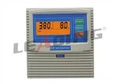
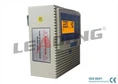


As a supplier of Three Phase Submersible Pump Control Boxes, I understand the importance of ensuring these control boxes function correctly. A well - tested control box not only guarantees the efficient operation of the submersible pump but also extends its service life. In this blog, I'll share a comprehensive guide on how to test a three - phase submersible pump control box.
Pre - test Preparations
Before starting the actual testing process, several preparatory steps are necessary. First, ensure you have all the required tools. You'll need a multimeter, which is essential for measuring voltage, current, and resistance. A clamp - on ammeter can be useful for measuring current without breaking the circuit. Additionally, safety equipment such as insulated gloves and safety glasses should be worn at all times to prevent electrical shock.


It's also crucial to check the control box's installation. Make sure it is properly mounted and that all the wiring connections are secure. Loose connections can lead to inaccurate readings and potential malfunctions. Inspect the wiring for any signs of damage, such as frayed wires or exposed conductors. If any damage is found, it should be repaired or replaced before proceeding with the test.
Visual Inspection
The first step in testing a three - phase submersible pump control box is a thorough visual inspection. Check the exterior of the control box for any signs of physical damage, such as cracks or dents. A damaged control box may not provide adequate protection for the internal components and could pose a safety hazard.
Open the control box and examine the internal components. Look for signs of overheating, such as burnt or discolored components. Check the relays, contactors, and circuit breakers for any signs of wear or damage. Ensure that all the components are properly seated and that there are no loose parts.
Power Supply Testing
Once the visual inspection is complete, it's time to test the power supply. Use a multimeter to measure the voltage at the input terminals of the control box. For a three - phase system, the voltage between each phase should be within the specified range. In most cases, the voltage between phases should be around 400V (in a 400V three - phase system). If the voltage is significantly higher or lower than the specified range, it could indicate a problem with the power supply or the electrical distribution system.
Next, check the phase sequence. The correct phase sequence is essential for the proper operation of the three - phase pump. You can use a phase sequence indicator to determine the phase sequence. If the phase sequence is incorrect, the pump may run in the wrong direction or not start at all.
Testing the Control Circuit
The control circuit of the three - phase submersible pump control box is responsible for controlling the operation of the pump. Start by testing the control switches. Use a multimeter to check the continuity of the switches. When the switch is in the "on" position, there should be continuity, and when it is in the "off" position, there should be no continuity.
Test the relays and contactors in the control circuit. Apply power to the control circuit and observe the operation of the relays and contactors. They should open and close smoothly without any chatter or hesitation. Use a multimeter to measure the resistance of the relay coils. The resistance should be within the specified range. If the resistance is too high or too low, it could indicate a problem with the relay coil.
Testing the Overload Protection
Overload protection is a critical feature of the three - phase submersible pump control box. It prevents the pump from being damaged due to excessive current. To test the overload protection, use a clamp - on ammeter to measure the current flowing through the pump. Gradually increase the load on the pump and monitor the current. When the current reaches the rated overload setting of the control box, the overload protection should trip, cutting off the power to the pump.
If the overload protection does not trip when the current exceeds the rated setting, it could indicate a problem with the overload relay. Check the settings of the overload relay and ensure that they are correctly configured. If necessary, replace the overload relay.
Testing the Pump Starter
The pump starter is responsible for starting and stopping the three - phase submersible pump. Test the pump starter by applying power to the control box and activating the start button. The pump should start smoothly and run at the normal speed. Listen for any abnormal noises or vibrations, which could indicate a problem with the pump or the starter.
To test the stop function, press the stop button. The pump should stop immediately. If the pump does not stop or takes a long time to stop, it could indicate a problem with the stop circuit or the starter contacts.
Testing the Grounding System
A proper grounding system is essential for the safety of the three - phase submersible pump control box. Use a multimeter to measure the resistance between the grounding terminal of the control box and the ground. The resistance should be very low, typically less than 1 ohm. If the resistance is too high, it could indicate a problem with the grounding connection.
Inspect the grounding wire for any signs of damage or loose connections. Ensure that the grounding wire is properly connected to the control box and the ground electrode.
Post - test Checks
After completing all the tests, perform a final visual inspection of the control box. Check all the connections again to ensure they are secure. Close the control box and make sure it is properly sealed to prevent dust and moisture from entering.
Record all the test results, including the voltage, current, resistance, and any observations made during the testing process. This documentation can be useful for future reference and for troubleshooting any potential problems.
Conclusion
Testing a three - phase submersible pump control box is a complex but essential process. By following the steps outlined in this blog, you can ensure that the control box is functioning correctly and that the three - phase submersible pump operates safely and efficiently.
If you are interested in our Three Phase Pump Control Panel for Rainwater Reuse Industrial Plants, Auto Manual 3 Phase Pump Control Panel, or White Three Phase Pump Control Panel, please feel free to contact us for more information and to discuss your procurement needs.
References
- Electrical Installation Guide for Three - Phase Equipment
- Manufacturer's Manuals for Three - Phase Submersible Pump Control Boxes
- Standards for Electrical Testing of Industrial Control Systems