


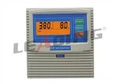
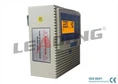


Hey there! I'm a supplier of White Three Phase Pump Control Panels, and I often get asked about the differences in using these panels for submersible pumps and non - submersible pumps. So, let's dive right in and explore this topic.
First off, let's understand what a White Three Phase Pump Control Panel is. It's a crucial component that helps manage the operation of three - phase pumps. Whether it's starting, stopping, or protecting the pump from various issues like overloads, this panel plays a key role.
Submersible Pumps and the White Three - Phase Pump Control Panel
Submersible pumps are designed to be fully submerged in water, like in wells, water tanks, or sewage pits. When using a white three - phase pump control panel with a submersible pump, there are some unique considerations.
Environmental Conditions
Since submersible pumps work underwater, the control panel needs to be able to handle the associated environmental factors. For example, the panel should have good moisture resistance. Submersible pump setups can sometimes lead to condensation or even minor leaks that could reach the control panel area. A well - made white three - phase panel for submersible pumps is usually sealed better to prevent water ingress. This helps protect the internal electrical components from corrosion and short - circuits.
Depth and Pressure
Submersible pumps can operate at different depths, and this affects the pressure they need to work against. The control panel may need to be configured to account for these pressure variations. For instance, a pump operating at a greater depth will require more power to push the water up. The control panel can be set to adjust the pump's speed or power output accordingly. This ensures that the pump operates efficiently and doesn't burn out due to excessive load.
Protection Features
Submersible pumps are more prone to getting clogged with debris in the water. A good control panel for a submersible pump will have features like over - current protection. If the pump gets clogged and the motor tries to draw more current to keep running, the control panel can detect this and shut off the pump to prevent damage. It can also have thermal protection. Since the pump is submerged, it can be harder to dissipate heat, and the control panel can monitor the motor's temperature and take action if it gets too hot.
Non - Submersible Pumps and the White Three - Phase Pump Control Panel
Non - submersible pumps, on the other hand, are typically installed above the water source. They are commonly used in applications like water supply systems for buildings, irrigation, or industrial processes.
Ventilation and Cooling
Non - submersible pumps are exposed to the ambient air, which means they rely on proper ventilation for cooling. The control panel for a non - submersible pump needs to be designed with this in mind. It should allow for good air circulation around the electrical components to prevent overheating. Unlike submersible pump control panels, which are more focused on moisture protection, non - submersible panels may have more open designs or ventilation grilles to keep the internal temperature in check.
Installation Location
The installation location of non - submersible pumps can vary widely. They can be installed in pump rooms, on rooftops, or in industrial facilities. The control panel needs to be adaptable to these different locations. For example, if the pump is installed in a noisy industrial environment, the control panel may need to have noise - reducing features or be located in a separate, quieter area. Also, the panel should be easy to access for maintenance and monitoring, as non - submersible pumps are generally more accessible than their submersible counterparts.
System Integration
Non - submersible pumps are often part of larger water distribution or industrial systems. The control panel needs to be able to integrate with other components in the system, such as valves, sensors, and flow meters. For example, in an irrigation system, the control panel may need to communicate with soil moisture sensors to determine when to start and stop the pump. This requires more advanced programming and communication capabilities in the control panel.
Comparison of Control Panel Features
Power Management
Both submersible and non - submersible pumps need proper power management, but the requirements can differ. Submersible pumps may need more precise power control due to the variable depth and pressure conditions. Non - submersible pumps, especially those in industrial settings, may need to handle larger power loads and may require more robust power distribution within the control panel.


Control Modes
The control modes for submersible and non - submersible pumps can also vary. Submersible pumps may often use level - based control. For example, they can be set to start when the water level in a tank reaches a certain low point and stop when it reaches a high point. Non - submersible pumps, in addition to level control, may use flow - based or pressure - based control. In an industrial water supply system, the pump may be controlled based on the required flow rate or the pressure needed to maintain the system's operation.
Our Product Offerings
As a supplier of White Three Phase Pump Control Panels, we have a range of products suitable for both submersible and non - submersible pumps. Our Single Pump Controller Three Phase Pump Control Panel is a great option for those looking for a reliable and efficient control solution for a single pump, whether it's submersible or non - submersible. It comes with adjustable settings to meet different operational requirements.
If you're dealing with waste water applications, our Simplex Three Phase Pump Control Panel for Waste Water Tank Sewage Sink is specifically designed to handle the challenges of waste water pumping. It has enhanced protection features to deal with the debris and harsh chemicals often found in waste water.
Conclusion
In conclusion, while there are some similarities in using a white three - phase pump control panel for submersible and non - submersible pumps, there are also significant differences. These differences stem from the unique operating conditions, environmental factors, and system requirements of each type of pump.
If you're in the market for a high - quality white three - phase pump control panel, whether for a submersible or non - submersible pump, we're here to help. We can provide you with the right product and offer expert advice on installation and configuration. Feel free to reach out to us to discuss your specific needs and start a procurement conversation. We're committed to providing you with the best solutions for your pumping systems.
References
- Pump Handbook, McGraw - Hill
- Electrical Control Systems for Pumps, Industrial Press Inc.