


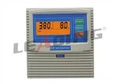
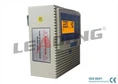


As a supplier of CE Approved Single Phase Pump Control Panels, I understand the importance of keeping these systems up - to - date. Upgrading a CE approved single phase pump control panel can enhance its performance, reliability, and safety. In this blog, I will share some practical steps and considerations for upgrading such a control panel.
Step 1: Assess the Current Panel
Before starting any upgrade, a thorough assessment of the existing single phase pump control panel is essential. Check its age, condition, and functionality. Look for signs of wear and tear, such as corroded components, loose connections, or burnt - out fuses. Examine the control logic and determine if it meets the current operational requirements. For instance, if the pump is now used in a different application with varying flow and pressure demands, the existing control settings may need to be adjusted or replaced.


It's also important to review the CE certification of the panel. Ensure that all components within the panel still comply with the relevant CE standards. If any non - compliant parts are found, they must be replaced during the upgrade process to maintain the panel's CE approval.
Step 2: Define Upgrade Objectives
Based on the assessment, clearly define the objectives of the upgrade. Some common reasons for upgrading a single phase pump control panel include:
- Improved Efficiency: Upgrading to more energy - efficient components, such as variable frequency drives (VFDs), can reduce power consumption and lower operating costs.
- Enhanced Functionality: Adding features like remote monitoring and control can provide real - time information about the pump's operation and allow for adjustments from a distance. For a reliable option with present user remote monitor, you can check out Reliable Single Phase Pump Control Panel with Present User Remote Monitor.
- Increased Safety: Installing advanced safety features, such as over - current protection and short - circuit protection, can prevent equipment damage and ensure the safety of operators.
- Compatibility with New Systems: If the pump is being integrated into a larger system or if new pumps are being added, the control panel may need to be upgraded to ensure compatibility.
Step 3: Select Appropriate Components
Once the upgrade objectives are defined, select the appropriate components for the upgrade. Here are some key components to consider:
- Circuit Breakers and Fuses: Choose circuit breakers and fuses with the correct ratings to protect the pump and the control panel from over - current and short - circuit faults. Make sure they are CE - compliant.
- Contactors and Relays: These components are used to control the power supply to the pump. Select high - quality contactors and relays that can handle the electrical load and have a long service life.
- Control Modules: Depending on the upgrade objectives, you may need to install new control modules. For example, a programmable logic controller (PLC) can be used to implement complex control algorithms and provide more flexibility in pump operation.
- Sensors: Adding sensors such as pressure sensors, flow sensors, and temperature sensors can provide valuable data about the pump's operation. This data can be used for monitoring, control, and fault diagnosis.
Step 4: Plan the Upgrade Process
A well - planned upgrade process is crucial to minimize downtime and ensure a successful upgrade. Here are some steps to follow:
- Create a Schedule: Determine the start and end dates of the upgrade and create a detailed schedule. Consider factors such as the availability of technicians, the delivery time of new components, and the impact on normal operations.
- Prepare the Work Area: Ensure that the work area is clean, well - ventilated, and safe. Disconnect the power supply to the control panel and follow all safety procedures.
- Label and Document: Before removing any components, label all wires and connections to ensure easy reinstallation. Document the existing wiring diagram and the configuration of the control panel.
Step 5: Install New Components
With the components selected and the upgrade process planned, it's time to install the new components. Here are some general installation guidelines:
- Follow Manufacturer Instructions: Always follow the manufacturer's instructions when installing new components. This includes proper mounting, wiring, and calibration.
- Check for Compatibility: Make sure that all new components are compatible with each other and with the existing system. For example, if you are installing a new VFD, ensure that it is compatible with the pump motor and the control panel.
- Test Each Component: After installing each component, test it to ensure that it is working properly. This can help identify any installation issues early and prevent problems during the overall system test.
Step 6: Configure and Test the System
Once all new components are installed, configure the control panel according to the desired settings. This may involve programming the control modules, setting up the sensors, and adjusting the control parameters.
After configuration, conduct a comprehensive system test. Start the pump and monitor its operation closely. Check for any abnormal noises, vibrations, or electrical faults. Verify that all functions, such as remote monitoring and control, are working as expected.
Step 7: Obtain Updated CE Certification
After the upgrade is complete and the system has been tested successfully, it is necessary to obtain updated CE certification. This may involve having the upgraded control panel inspected by a certified testing laboratory. Provide all relevant documentation, including the component list, wiring diagrams, and test reports, to the laboratory for review. Once the panel is found to comply with the CE standards, you will receive the updated CE certification.
Step 8: Provide Training and Maintenance
Finally, provide training to the operators and maintenance personnel on the new features and operation of the upgraded control panel. Make sure they understand how to use the remote monitoring system, troubleshoot common problems, and perform routine maintenance.
Regular maintenance is also crucial to keep the control panel in good working condition. Establish a maintenance schedule and perform tasks such as cleaning, inspection, and component replacement as needed.
If you are interested in upgrading your single phase pump control panel or are looking for high - quality CE approved control panels, we are here to assist you. Our Easy Operation Single Phase Submersible Pump Control Panel CE Certification and Durable AC220V Single Phase Pump Control Panel are reliable options for various applications. Contact us to start a procurement negotiation and find the best solution for your needs.
References
- International Electrotechnical Commission (IEC) standards related to electrical equipment and control panels.
- European Union directives for CE marking of electrical products.
- Manufacturer's documentation for pump control panel components.