




Three-phase pump control for universal pumps is a crucial component in various industrial and commercial applications. As a supplier of three-phase pump control systems for universal pumps, I often encounter questions regarding the suitability of these systems for variable-load applications. In this blog post, I will delve into this topic, exploring the technical aspects, advantages, and limitations of using three-phase pump control for variable-load scenarios.


Understanding Three-Phase Pump Control for Universal Pumps
Before we discuss the suitability for variable-load applications, it's essential to understand what three-phase pump control for universal pumps entails. A three-phase pump control system is designed to manage the operation of pumps that are powered by three-phase electrical power. These pumps are commonly used in applications where high power and efficiency are required, such as water supply systems, industrial processing, and irrigation.
Universal pumps, on the other hand, are designed to be versatile and can be used in a wide range of applications. They are typically designed to handle different types of fluids and flow rates, making them a popular choice for various industries.
The three-phase pump control system provides several functions, including starting and stopping the pump, protecting the pump from overcurrent and overvoltage, and monitoring the pump's performance. These functions are essential for ensuring the reliable and efficient operation of the pump.
Variable-Load Applications
Variable-load applications are those where the load on the pump varies over time. This can be due to changes in the flow rate, pressure, or viscosity of the fluid being pumped. Examples of variable-load applications include water supply systems where the demand for water varies throughout the day, industrial processes where the flow rate of a liquid changes depending on the production requirements, and irrigation systems where the water demand varies based on the weather conditions.
In variable-load applications, it is crucial to have a pump control system that can adapt to the changing load conditions. This ensures that the pump operates efficiently and reliably, reducing energy consumption and extending the lifespan of the pump.
Suitability of Three-Phase Pump Control for Variable-Load Applications
Now, let's discuss the suitability of three-phase pump control for variable-load applications. There are several factors to consider when determining whether a three-phase pump control system is suitable for a variable-load application.
Advantages
- Energy Efficiency: Three-phase pump control systems can be designed to adjust the speed of the pump based on the load requirements. By reducing the speed of the pump when the load is low, the energy consumption can be significantly reduced. This is known as variable speed drive (VSD) technology, which is commonly used in three-phase pump control systems. For example, in a water supply system, the pump can be operated at a lower speed during off-peak hours when the demand for water is low, resulting in energy savings.
- Flexibility: Three-phase pump control systems can be easily configured to meet the specific requirements of variable-load applications. They can be programmed to start and stop the pump at different times, adjust the speed of the pump based on the load, and provide various protection functions. This flexibility makes them suitable for a wide range of applications.
- Reliability: Three-phase pump control systems are designed to provide reliable operation in variable-load applications. They are equipped with various protection functions, such as overcurrent protection, overvoltage protection, and thermal protection, which help to prevent damage to the pump. Additionally, they can monitor the pump's performance and provide early warning signs of potential problems, allowing for timely maintenance and repairs.
- Compatibility: Three-phase pump control systems are compatible with a wide range of universal pumps. They can be used with different types of pumps, including centrifugal pumps, positive displacement pumps, and submersible pumps. This compatibility makes them a versatile choice for various applications.
Limitations
- Initial Cost: Three-phase pump control systems with VSD technology can be more expensive than traditional pump control systems. The cost of the VSD unit and the additional control components can add to the overall cost of the system. However, the energy savings and improved performance over the long term can offset the initial cost.
- Complexity: Three-phase pump control systems with VSD technology can be more complex to install and operate than traditional pump control systems. They require specialized knowledge and skills to configure and maintain. Additionally, they may require additional training for the operators to ensure proper operation.
- Harmonics: VSDs can generate harmonics, which are unwanted electrical frequencies that can cause problems in the electrical system. These harmonics can interfere with other electrical equipment and cause power quality issues. To mitigate the effects of harmonics, additional filtering equipment may be required, which can add to the cost of the system.
Our Products
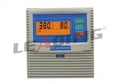
As a supplier of three-phase pump control for universal pumps, we offer a range of products that are suitable for variable-load applications. Our DOL Start Type Intelligent Pump Controller with Stalled Protection provides reliable starting and stopping of the pump, as well as protection against stalling. It is designed to be easy to install and operate, making it a popular choice for various applications.
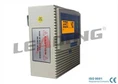
Our Integrated Design Intelligent Pump Controller offers a compact and efficient solution for pump control. It integrates all the necessary control functions into a single unit, reducing the installation space and complexity. It also provides advanced features such as variable speed control and pump performance monitoring, making it suitable for variable-load applications.
For single-phase applications, we offer the Auto Single Phase Water Pump Controller with Built-In Water Level Control. This controller is designed to automatically start and stop the pump based on the water level, providing a convenient and efficient solution for water supply systems.
Conclusion
In conclusion, three-phase pump control for universal pumps can be suitable for variable-load applications. The advantages of energy efficiency, flexibility, reliability, and compatibility make them a popular choice for various industries. However, the initial cost, complexity, and potential harmonics issues need to be considered when selecting a three-phase pump control system for a variable-load application.
If you are considering using a three-phase pump control system for a variable-load application, we recommend consulting with our experts. We can provide you with detailed information about our products and help you select the most suitable solution for your specific requirements. Contact us today to discuss your pump control needs and start a procurement negotiation.
References
- "Pump Handbook" by Igor J. Karassik, Joseph P. Messina, Paul Cooper, and Charles C. Heald.
- "Variable Speed Drives for Pumps and Fans" by ABB.
- "Energy Efficiency in Pumping Systems" by the Hydraulic Institute.