


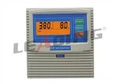
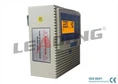


As a trusted supplier of CE Approved Single Phase Pump Control Panels, I understand the importance of ensuring the quality and functionality of these products. Testing a CE approved single phase pump control panel is a critical step in the manufacturing process, as it helps to identify any potential issues and ensures that the panel meets the required standards and specifications. In this blog post, I will share some key steps and considerations for testing a CE approved single phase pump control panel.
Pre - testing Preparations
Before starting the actual testing, it is essential to make thorough preparations. First, gather all the necessary tools and equipment. This may include a multimeter for measuring electrical parameters such as voltage and current, a clamp - on ammeter to measure current flow accurately, and a megohmmeter to test insulation resistance.
Next, review the technical documentation of the control panel. The CE approval means that the panel has met certain European safety and performance standards. The documentation will provide detailed information about the panel's specifications, such as the rated voltage (usually AC220V for single - phase panels), current capacity, and operating temperature range. Familiarize yourself with these details to ensure that the testing process is conducted correctly.


Visual Inspection
The first step in the testing process is a visual inspection. Carefully examine the control panel for any visible damage or defects. Check the enclosure for cracks, dents, or signs of improper assembly. The enclosure should be well - sealed to protect the internal components from dust, moisture, and other environmental factors.
Inspect the wiring connections. All wires should be properly connected, and there should be no loose or frayed wires. Loose connections can cause electrical arcing, which is a serious safety hazard. Also, check the labeling of the wires and components. Clear and accurate labeling is essential for easy maintenance and troubleshooting.
Electrical Safety Testing
Insulation Resistance Testing
Use a megohmmeter to measure the insulation resistance between the live parts and the enclosure of the control panel. The insulation resistance should be within the specified range. A low insulation resistance may indicate a problem with the insulation material or a short - circuit within the panel. This test helps to ensure that the control panel is electrically safe to operate.
Earth Continuity Testing
Check the continuity of the earth connection. A proper earth connection is crucial for safety, as it provides a path for electrical current in case of a fault. Use a continuity tester to verify that there is a low - resistance connection between the earth terminal of the control panel and the grounding system.
Functional Testing
Power Supply Testing
Connect the control panel to a stable power source. Use a multimeter to measure the input voltage. The measured voltage should be within the rated voltage range of the panel. If the voltage is too high or too low, it can affect the performance and lifespan of the panel.
Once the power is applied, observe the status indicators on the control panel. Most control panels have LEDs or other indicators to show the power status, fault conditions, etc. Make sure that these indicators are functioning correctly.
Pump Control Function Testing
The main function of the single - phase pump control panel is to control the operation of the pump. Test the start and stop functions of the panel. Use a simulated load or connect an actual pump (if possible) to the panel. When the start command is given, the pump should start running smoothly. When the stop command is issued, the pump should stop promptly.
Test the automatic control functions, such as level control or pressure control. If the panel is designed to control the pump based on water level or pressure, simulate the appropriate conditions and check if the panel responds correctly. For example, if it is a level - controlled panel, use a water level simulator to change the water level and observe if the panel starts or stops the pump at the set levels.
Overload and Over - current Protection Testing
To test the overload and over - current protection functions, gradually increase the load on the pump (using a load bank or by adjusting the pump's operating conditions). Monitor the current using a clamp - on ammeter. When the current exceeds the rated current of the panel, the overload protection device should trip, and the pump should stop. This protects the pump and the control panel from damage due to excessive current.
Compatibility Testing
If the control panel is intended to be used with specific types of pumps, perform compatibility testing. Different pumps may have different electrical characteristics, such as starting current and power factor. Ensure that the control panel can handle the electrical requirements of the pump without any issues.
Performance Testing
Measure the efficiency of the control panel. This can be done by comparing the input power (measured using a power meter) with the output power delivered to the pump. A high - efficiency control panel will minimize power losses and reduce energy consumption.
Test the response time of the control panel. When a change in the control condition occurs (such as a change in water level or pressure), the panel should respond quickly and accurately. Measure the time it takes for the panel to start or stop the pump after the control condition changes.
Post - testing Evaluation
After completing all the tests, carefully evaluate the test results. If any issues are identified, document them in detail. Analyze the root cause of the problems and take appropriate corrective actions. This may involve repairing or replacing faulty components, adjusting the settings of the control panel, or improving the manufacturing process.
Conclusion
Testing a CE approved single phase pump control panel is a comprehensive process that involves visual inspection, electrical safety testing, functional testing, compatibility testing, and performance testing. By following these steps, you can ensure that the control panel meets the required standards and provides reliable and safe operation.
If you are interested in our 0.37 - 2.2KW Single Phase Pump Control Panel, Durable AC220V Single Phase Pump Control Panel, or Pump Motor Control Panel Single Phase Submersible Control Panel CE Certified, we welcome you to contact us for further procurement discussions. Our team of experts is ready to assist you in finding the most suitable pump control panel for your needs.
References
- European Union CE Marking Directive for Electrical Equipment
- International Electrotechnical Commission (IEC) Standards for Pump Control Panels
- Manufacturer's Technical Documentation for Single - Phase Pump Control Panels