


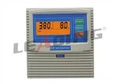
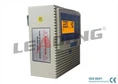


When it comes to industrial and commercial water management systems, three-phase pump control panels are the unsung heroes. As a leading supplier of three-phase pump control panels, I've witnessed firsthand the critical role these panels play in ensuring the efficient and reliable operation of pumps. In this blog post, I'll delve into the electrical requirements for a three-phase pump control panel, providing insights that are essential for both system designers and end-users.
Understanding Three-Phase Power
Before we dive into the specific electrical requirements, it's important to have a basic understanding of three-phase power. Three-phase power is a type of electrical power transmission that uses three conductors to carry three alternating currents. These currents are out of phase with each other by 120 degrees, which results in a more efficient and balanced power supply compared to single-phase power. Three-phase power is commonly used in industrial and commercial applications, including pumps, because it can deliver more power with less current, reducing energy losses and improving overall system efficiency.
Voltage Requirements
One of the primary electrical requirements for a three-phase pump control panel is the correct voltage supply. Three-phase pumps typically operate at voltages of 208V, 230V, 460V, or 575V, depending on the specific application and the motor's design. It's crucial to ensure that the control panel is designed to handle the voltage of the pump motor. Using the wrong voltage can lead to motor damage, inefficient operation, and even safety hazards.
When selecting a three-phase pump control panel, it's important to consider the voltage tolerance of the panel. Most control panels have a specified voltage tolerance range, typically ±10% of the rated voltage. Operating the panel outside of this range can cause the panel to malfunction or damage the components. Therefore, it's essential to verify the voltage supply at the installation site and ensure that it falls within the acceptable range for the control panel.
Current Rating
Another critical electrical requirement for a three-phase pump control panel is the current rating. The current rating of the control panel must be sufficient to handle the full load current of the pump motor. The full load current is the amount of current that the motor draws when it is operating at its maximum capacity. It's important to select a control panel with a current rating that is higher than the full load current of the motor to ensure safe and reliable operation.
In addition to the full load current, it's also important to consider the starting current of the pump motor. Three-phase motors typically draw a high starting current, also known as inrush current, when they are first started. The inrush current can be several times higher than the full load current, depending on the motor's design and the type of starting method used. The control panel must be able to handle the inrush current without tripping the overload protection devices.
Overload Protection
Overload protection is an essential feature of a three-phase pump control panel. Overload protection devices, such as thermal overload relays or electronic overload relays, are used to protect the pump motor from damage caused by excessive current. These devices monitor the current flowing through the motor and automatically trip the circuit if the current exceeds a predetermined level.
When selecting a three-phase pump control panel, it's important to choose a panel with appropriate overload protection devices. The overload protection devices should be sized correctly for the motor's full load current and the expected starting current. It's also important to ensure that the overload protection devices are properly calibrated and maintained to ensure reliable operation.
Short Circuit Protection
Short circuit protection is another important electrical requirement for a three-phase pump control panel. Short circuits can occur when there is a fault in the electrical system, such as a damaged wire or a malfunctioning component. Short circuits can cause a large amount of current to flow through the system, which can damage the pump motor and other components.
To protect against short circuits, three-phase pump control panels are typically equipped with circuit breakers or fuses. Circuit breakers are automatic switches that trip when they detect a short circuit, interrupting the flow of current. Fuses are sacrificial devices that melt when they detect a short circuit, breaking the circuit and protecting the components.
When selecting a three-phase pump control panel, it's important to choose a panel with appropriate short circuit protection devices. The circuit breakers or fuses should be sized correctly for the motor's full load current and the expected short circuit current. It's also important to ensure that the short circuit protection devices are properly installed and maintained to ensure reliable operation.
Phase Protection
Phase protection is an important electrical requirement for a three-phase pump control panel, especially in applications where the pump motor is sensitive to phase imbalances. Phase imbalances can occur when there is a difference in the voltage or current between the three phases of the power supply. Phase imbalances can cause the pump motor to overheat, reduce efficiency, and even damage the motor.
To protect against phase imbalances, three-phase pump control panels are typically equipped with phase protection devices, such as phase monitors or phase failure relays. These devices monitor the voltage and current of each phase and automatically trip the circuit if a phase imbalance is detected.
When selecting a three-phase pump control panel, it's important to choose a panel with appropriate phase protection devices. The phase protection devices should be able to detect phase imbalances within a specified tolerance range and trip the circuit quickly to prevent damage to the pump motor.
Control Circuit Requirements
In addition to the power circuit requirements, a three-phase pump control panel also has specific control circuit requirements. The control circuit is responsible for controlling the operation of the pump motor, including starting, stopping, and speed control. The control circuit typically consists of a control transformer, contactors, relays, and other control devices.


The control circuit voltage is typically lower than the power circuit voltage, usually 120V or 24V. It's important to ensure that the control circuit voltage is compatible with the control devices used in the panel. Using the wrong control circuit voltage can cause the control devices to malfunction or damage the components.
Grounding Requirements
Proper grounding is essential for the safe and reliable operation of a three-phase pump control panel. Grounding provides a path for electrical current to flow safely to the earth in the event of a fault, protecting personnel and equipment from electrical shock and damage.
The control panel should be grounded using a dedicated grounding conductor, which is typically a bare copper wire. The grounding conductor should be connected to the grounding busbar in the control panel and to a suitable grounding electrode, such as a ground rod or a water pipe. It's important to ensure that the grounding connection is secure and that the grounding resistance is within the acceptable range.
Additional Considerations
In addition to the electrical requirements mentioned above, there are several other factors to consider when selecting a three-phase pump control panel. These include the environmental conditions at the installation site, the type of pump motor being used, and the specific application requirements.
For example, if the control panel is installed in a harsh environment, such as a wet or dusty location, it may need to be designed with a higher degree of protection, such as an IP rating. The IP rating indicates the degree of protection against solid objects and water. A higher IP rating means better protection.
The type of pump motor being used also affects the selection of the control panel. Different types of pump motors, such as centrifugal pumps, positive displacement pumps, and submersible pumps, have different operating characteristics and may require different control strategies. Therefore, it's important to choose a control panel that is specifically designed for the type of pump motor being used.
Conclusion
In conclusion, the electrical requirements for a three-phase pump control panel are complex and critical to the safe and reliable operation of the pump system. From voltage and current ratings to overload protection and grounding, every aspect of the electrical design must be carefully considered to ensure that the control panel meets the specific needs of the application.
As a supplier of three-phase pump control panels, we offer a wide range of products to meet the diverse needs of our customers. Our Simplex Three Phase Pump Control Panel for Waste Water Tank Sewage Sink is designed for waste water applications, providing reliable and efficient control of single pumps. Our 3 Phase DTMF Based Water Pump Controller offers advanced control features using DTMF technology, allowing for remote operation and monitoring. And our 6 PCS Duplex GSM Based Pump Controller is ideal for duplex pump systems, providing redundant control and enhanced reliability.
If you have any questions about the electrical requirements for a three-phase pump control panel or need assistance in selecting the right panel for your application, please feel free to contact us. We are here to help you find the best solution for your pumping needs.
References
- Electrical Engineering Handbook, Third Edition, Richard C. Dorf, CRC Press
- National Electrical Code (NEC), NFPA 70, National Fire Protection Association
- IEEE Standard for Industrial and Commercial Power Systems, IEEE 1100, Institute of Electrical and Electronics Engineers