


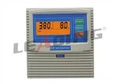
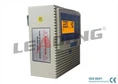


In the realm of wastewater management and sewage systems, the single sewage pump controller stands as a crucial component. As a supplier of single sewage pump controllers, I have witnessed firsthand the diverse and essential functions these devices serve. This blog post aims to delve into the functions of a single sewage pump controller, highlighting its significance in maintaining efficient and reliable sewage pumping operations.
1. Automatic Pump Activation and Deactivation
One of the primary functions of a single sewage pump controller is to automate the activation and deactivation of the sewage pump. In a sewage system, the water level in the sump pit or wet well fluctuates as wastewater accumulates. The controller is equipped with sensors that can detect these water level changes. When the water level rises to a pre - set "on" level, the controller sends a signal to the pump to start operating. The pump then begins to remove the sewage from the pit or well. Once the water level drops to the pre - set "off" level, the controller stops the pump. This automation ensures that the pump operates only when necessary, conserving energy and preventing over - pumping.
For instance, in a residential sewage system, the single sewage pump controller can keep the basement dry by automatically removing any water that accumulates in the sump pit. Without this automatic control, homeowners would have to manually turn the pump on and off, which is not only inconvenient but also increases the risk of flooding if the pump is not turned on in time.
2. Protection Against Overload
A single sewage pump controller also provides protection against pump overload. Pumps can be damaged if they are forced to operate under excessive load conditions, such as when there is a blockage in the discharge pipe or when the pump is pumping against a high - pressure head. The controller monitors the electrical current drawn by the pump. If the current exceeds a safe limit, indicating an overload, the controller will automatically shut down the pump. This protects the pump motor from burnout and extends the lifespan of the pump.
This protection feature is especially important in commercial and industrial sewage systems, where pumps are often required to handle large volumes of wastewater. A pump failure due to overload can lead to costly downtime and potential environmental hazards. By using a single sewage pump controller, businesses can ensure the continuous and reliable operation of their sewage systems.
3. Alarm and Monitoring Functions
Many single sewage pump controllers are equipped with alarm and monitoring functions. These functions allow users to be notified of any abnormal conditions in the sewage system. For example, if the water level in the sump pit or wet well rises above a critical level, indicating a potential problem such as a pump failure or a blockage, the controller can trigger an alarm. This alarm can be a visual indicator, such as a flashing light, or an audible signal, such as a buzzer.
In addition to alarms, some controllers can also provide real - time monitoring of the pump's operating parameters, such as the water level, pump status (on or off), and electrical current. This information can be accessed remotely through a smartphone app or a web - based interface, allowing users to keep an eye on their sewage systems even when they are away.
4. Compatibility with Different Pump Types
Single sewage pump controllers are designed to be compatible with different types of sewage pumps, including submersible pumps and pedestal pumps. Whether it is a small - scale residential pump or a large - capacity industrial pump, the controller can be configured to work with the specific pump requirements. This flexibility makes the single sewage pump controller a versatile solution for a wide range of sewage applications.
For example, White Three Phase Pump Control Panel is a type of control panel that can be integrated with different three - phase sewage pumps. It offers precise control and reliable performance, making it suitable for various industrial and commercial sewage systems.
5. Energy Efficiency
As mentioned earlier, the automatic operation of the single sewage pump controller helps to conserve energy. By ensuring that the pump operates only when necessary, the controller reduces the overall energy consumption of the sewage system. Additionally, some controllers are designed to optimize the pump's operating speed based on the water level and flow rate. This variable - speed control further improves energy efficiency by matching the pump's output to the actual demand.
In an era of increasing energy costs and environmental awareness, energy - efficient sewage pumping solutions are highly desirable. The single sewage pump controller plays a vital role in achieving this goal by reducing the carbon footprint of sewage systems.
6. System Integration
Single sewage pump controllers can be integrated into larger sewage management systems. They can communicate with other components of the system, such as level sensors, valves, and other pumps, to ensure coordinated and efficient operation. This integration allows for more advanced control strategies, such as pump alternation and lead - lag control.
For example, in a multi - pump sewage system, the controller can alternate the operation of the pumps to evenly distribute the workload and prevent premature wear of a single pump. In a lead - lag control system, one pump (the lead pump) operates first, and if the demand exceeds the capacity of the lead pump, the controller activates the lag pump to assist.
7. Fault Diagnosis and Troubleshooting
Some single sewage pump controllers are equipped with advanced fault diagnosis capabilities. They can detect and identify common problems in the sewage system, such as a faulty sensor, a loose connection, or a pump motor malfunction. The controller can then display an error code or message, which helps technicians to quickly diagnose and fix the problem.
This feature reduces the downtime of the sewage system and minimizes the cost of maintenance. For example, Sewage Water Pump Controller Inside Built Level Transmitter has built - in diagnostic functions that can provide detailed information about the status of the pump and the level sensor, making troubleshooting easier and more efficient.
8. Adaptability to Different Environments
Single sewage pump controllers are designed to be adaptable to different environmental conditions. They can operate in harsh environments, such as high - humidity areas, corrosive atmospheres, and areas with extreme temperatures. The controllers are often enclosed in rugged and waterproof enclosures to protect the internal components from damage.


In industrial sewage systems, where the environment can be particularly challenging, the ability of the single sewage pump controller to withstand harsh conditions is crucial. For example, in a chemical plant sewage system, the controller needs to be resistant to chemical corrosion to ensure reliable operation.
9. Support for Rainwater Reuse
In addition to sewage management, single sewage pump controllers can also be used in rainwater reuse systems. Three Phase Pump Control Panel for Rainwater Reuse Industrial Plants is a specialized control panel that can be used to manage the pumping of rainwater for industrial reuse. The controller can regulate the flow of rainwater from the collection tank to the point of use, ensuring efficient water utilization.
Conclusion
In conclusion, the single sewage pump controller plays a vital role in sewage systems by providing automatic operation, protection against overload, alarm and monitoring functions, and many other benefits. Its functions contribute to the efficient, reliable, and safe operation of sewage pumps, whether in residential, commercial, or industrial settings.
If you are in need of a high - quality single sewage pump controller for your sewage system, we are here to help. Our controllers are designed with the latest technology and offer a wide range of features to meet your specific requirements. We invite you to contact us for more information and to discuss your procurement needs. Let's work together to ensure the optimal performance of your sewage system.
References
- Johnson, R. (2020). "Wastewater Pumping Systems: Design and Operation". McGraw - Hill.
- Smith, A. (2019). "Pump Control and Protection". Elsevier.