


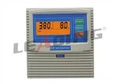
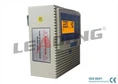


Hey there! As a supplier of Precise Single Phase Pump Control Panel Units, I often get asked about the power consumption of these nifty devices. So, I thought I'd take a deep dive into this topic and share some insights with you all.
First off, let's understand what a Precise Single Phase Pump Control Panel Unit is. It's a crucial component in a pumping system that helps regulate and control the operation of a single - phase pump. These panels come in various types and designs, each with its own set of features and functions. Whether you're using it for a small domestic water supply or in an industrial setting for specific pumping tasks, the control panel plays a vital role in ensuring the pump works efficiently.
Now, onto the main question: what's the power consumption of a Precise Single Phase Pump Control Panel Unit? Well, it's not a one - size - fits - all answer. The power consumption can vary depending on several factors.
One of the primary factors is the type of components used in the control panel. For example, if the panel has advanced electronic sensors, relays, and controllers, these components will consume a certain amount of power. High - quality sensors that are designed to accurately measure pressure, flow, or other parameters often require a small amount of electrical energy to operate. On average, these electronic components in a basic control panel might consume anywhere from 5 to 20 watts.
Another factor is the level of functionality. Some control panels are very basic, with just the essential functions like starting and stopping the pump. These simple panels tend to have lower power consumption. On the other hand, more advanced panels with features such as automatic pump protection (like over - current protection, over - voltage protection, and pump stalled protection), remote monitoring, and intelligent control algorithms will consume more power. For instance, a control panel with intelligent control capabilities that can adjust the pump speed based on the demand might consume 20 to 50 watts.
The operating environment also matters. If the control panel is located in a hot environment, the internal components may need to work harder to maintain their proper functioning, which can lead to slightly higher power consumption. Similarly, if the panel is exposed to electrical interference or has to deal with unstable power supplies, it may draw more power to ensure reliable operation.
Let's talk about some real - world examples. Say you're using a Single Phase Pump Control Panel with CE Certificate for Pump Dealers. This type of panel, which is designed to meet certain quality and safety standards, usually has a moderate power consumption. In normal operating conditions, it might consume around 15 to 30 watts. The CE certification ensures that the panel is energy - efficient and compliant with European standards, which is great news for those who are conscious about power usage.
If you opt for an Intelligent Single Phase Water Pump Control Panel CE Cerfectation, the power consumption will be a bit higher. The intelligent features, such as the ability to communicate with other devices and adjust the pump operation in real - time, require more power. You can expect this panel to consume around 30 to 50 watts, but the benefits in terms of energy - efficient pump operation and better control over the system can outweigh the slightly higher power consumption.
The Pump Factory Single Phase Pump Control Panel with Pump Stalled Protection is another option. This panel is designed to protect the pump from damage in case it stalls. The additional protection circuitry adds to the power consumption, but it's a necessary feature to prevent costly pump repairs. It typically consumes around 20 to 40 watts.
It's also important to note that the power consumption of the control panel is just a small part of the overall power usage in a pumping system. The pump itself is the major power consumer. For example, a small domestic single - phase pump might consume a few hundred watts, while an industrial pump can consume several kilowatts. So, while it's good to be aware of the control panel's power consumption, don't forget to consider the pump's power requirements as well.
When it comes to reducing the power consumption of the control panel, there are a few things you can do. First, choose a panel with energy - efficient components. Look for panels that are designed to minimize standby power consumption. Some modern panels have sleep modes or low - power states when the pump is not in use, which can significantly reduce overall power usage.
Secondly, make sure the panel is properly installed and maintained. A poorly installed panel may experience electrical losses or malfunctions that can increase power consumption. Regular maintenance, such as checking for loose connections, cleaning the components, and replacing worn - out parts, can help keep the panel operating efficiently.
In conclusion, the power consumption of a Precise Single Phase Pump Control Panel Unit can range from a few watts to several tens of watts, depending on the type of panel, its features, and the operating environment. As a supplier, I always recommend choosing a panel that meets your specific needs while also being energy - efficient.
If you're in the market for a Precise Single Phase Pump Control Panel Unit and want to know more about power consumption or other aspects of our products, don't hesitate to reach out. We're here to help you make the best choice for your pumping system. Let's have a chat about your requirements and see how we can assist you in getting the most out of your pump control panel.
References


- General knowledge about pump control panels from industry experience.
- Technical specifications of Single Phase Pump Control Panels from product manuals.