


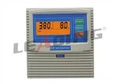
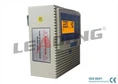


What is the maximum pressure a Commercial Simplex Pump Controller can withstand?
As a trusted supplier of Commercial Simplex Pump Controllers, I often receive inquiries about the maximum pressure these controllers can withstand. Understanding this parameter is crucial for ensuring the proper functioning and longevity of the pump system in commercial applications. In this blog post, I will delve into the factors that determine the maximum pressure tolerance of a Commercial Simplex Pump Controller and provide insights to help you make informed decisions for your pumping needs.
Understanding Commercial Simplex Pump Controllers
Before we discuss the maximum pressure, let's briefly understand what a Commercial Simplex Pump Controller is. A simplex pump controller is designed to manage the operation of a single pump in a commercial setting. It regulates the pump's start and stop functions based on various parameters such as pressure, level, or flow. These controllers are essential for maintaining a consistent water supply, preventing pump damage, and optimizing energy consumption.


Factors Affecting the Maximum Pressure Tolerance
Several factors influence the maximum pressure a Commercial Simplex Pump Controller can withstand. Here are the key considerations:
- Material and Construction: The materials used in the construction of the controller play a significant role in determining its pressure tolerance. High-quality controllers are typically made from robust materials such as stainless steel or heavy-duty plastics that can withstand high pressures without deformation or failure. The design and manufacturing process also contribute to the controller's ability to handle pressure. A well-constructed controller with proper seals and connections will be more resistant to pressure-related issues.
- Electrical Components: The electrical components within the controller, such as relays, switches, and sensors, are also affected by pressure. These components need to be rated for the maximum pressure expected in the system. For example, pressure sensors need to be able to accurately measure the pressure without being damaged by high-pressure spikes. Using components with appropriate pressure ratings ensures the reliable operation of the controller under high-pressure conditions.
- Sealing and Gaskets: Proper sealing is crucial to prevent leaks and maintain the integrity of the controller under pressure. High-quality seals and gaskets are used to ensure a tight fit between different components of the controller. These seals need to be able to withstand the pressure and prevent any fluid or gas from escaping. Over time, seals can degrade due to exposure to high pressures, chemicals, or temperature variations. Regular inspection and replacement of seals are necessary to maintain the controller's pressure tolerance.
- System Design: The overall design of the pumping system also affects the maximum pressure the controller can handle. Factors such as the size and type of the pump, the length and diameter of the pipes, and the presence of valves and fittings all impact the pressure distribution within the system. A well-designed system that minimizes pressure drops and avoids excessive pressure buildup will put less stress on the controller. Additionally, the controller should be properly sized and configured for the specific pump and system requirements to ensure optimal performance.
Typical Maximum Pressure Ratings
The maximum pressure tolerance of a Commercial Simplex Pump Controller can vary depending on the specific model and manufacturer. However, most commercial-grade controllers are designed to withstand pressures ranging from 100 to 300 psi (pounds per square inch). Some high-performance controllers can handle pressures up to 500 psi or more. It's important to note that these ratings are based on normal operating conditions and may be affected by factors such as temperature, fluid viscosity, and system dynamics.
When selecting a Commercial Simplex Pump Controller, it's essential to choose a model with a maximum pressure rating that exceeds the expected operating pressure of your system. This provides a safety margin and ensures the controller can handle any unexpected pressure spikes or fluctuations. It's also recommended to consult with a professional engineer or pump specialist to determine the appropriate pressure rating for your specific application.
Applications and Considerations
Commercial Simplex Pump Controllers are used in a wide range of applications, including water supply systems, irrigation, industrial processes, and fire protection. Each application has its own unique pressure requirements and considerations. Here are some examples:
- Water Supply Systems: In water supply systems, the pressure requirements depend on the height of the building, the number of fixtures, and the flow rate. A typical residential water supply system may operate at pressures between 40 and 80 psi, while commercial buildings may require pressures up to 150 psi or more. When selecting a controller for a water supply system, it's important to consider the maximum pressure expected at the highest point in the building and ensure the controller can handle this pressure.
- Irrigation Systems: Irrigation systems often require lower pressures compared to water supply systems. The pressure requirements depend on the type of irrigation system (e.g., sprinklers, drip irrigation), the length of the pipes, and the number of emitters. A typical irrigation system may operate at pressures between 20 and 60 psi. However, in some cases, higher pressures may be required for large-scale irrigation projects or systems with high-flow requirements. When selecting a controller for an irrigation system, it's important to consider the specific pressure requirements of the system and choose a controller with an appropriate pressure rating.
- Industrial Processes: Industrial processes can have a wide range of pressure requirements depending on the nature of the process. Some industrial applications may require very high pressures, such as hydraulic systems or high-pressure cleaning equipment. In these cases, specialized controllers with high-pressure ratings are needed. Other industrial processes may operate at lower pressures, such as chemical dosing systems or pneumatic conveying systems. When selecting a controller for an industrial process, it's important to consult with the process engineer or equipment manufacturer to determine the exact pressure requirements and choose a controller that can meet these requirements.
- Fire Protection Systems: Fire protection systems require high pressures to ensure the effective delivery of water to extinguish fires. A typical fire protection system may operate at pressures between 100 and 200 psi. In some cases, higher pressures may be required for large buildings or high-rise structures. When selecting a controller for a fire protection system, it's important to choose a model that is specifically designed for fire protection applications and has a high-pressure rating.
Our Product Offerings
At our company, we offer a range of Commercial Simplex Pump Controllers designed to meet the diverse needs of our customers. Our controllers are built to withstand high pressures and provide reliable performance in various applications. Here are some of our featured products:
- Single Pump Motor Control Panel Mobile Operated: This controller is designed for mobile applications and offers convenient operation and monitoring. It is built with high-quality materials and components to withstand high pressures and harsh environments.
- Submersible Pump Protection Simplex Pump Controller: This controller is specifically designed for submersible pumps and provides comprehensive protection against overpressure, overcurrent, and dry running. It is suitable for a wide range of applications, including water supply, irrigation, and industrial processes.
- Simplex Pump Controller Intelligent Water Pump Control System: This intelligent controller offers advanced features such as remote monitoring, programmable settings, and energy management. It is designed to optimize the performance of the pump system and reduce energy consumption. The controller is built to withstand high pressures and provides reliable operation in commercial and industrial applications.
Conclusion
The maximum pressure a Commercial Simplex Pump Controller can withstand is determined by several factors, including material and construction, electrical components, sealing, and system design. When selecting a controller, it's important to choose a model with a maximum pressure rating that exceeds the expected operating pressure of your system. This ensures the reliable operation of the controller and prevents pressure-related issues. At our company, we offer a range of high-quality Commercial Simplex Pump Controllers designed to meet the diverse needs of our customers. If you have any questions or need assistance in selecting the right controller for your application, please don't hesitate to contact us. We are here to help you find the best solution for your pumping needs.
References
- "Pump Handbook" by Igor J. Karassik et al.
- "Control Systems Engineering" by Norman S. Nise.
- Manufacturer's specifications and technical documentation for Commercial Simplex Pump Controllers.