




In the realm of water management and pumping systems, single phase pump control panels play a pivotal role. As a reliable supplier of single phase pump control panels, I am constantly engaged in understanding the intricacies of these devices, especially when it comes to their power consumption. This blog aims to explore what exactly the power consumption of a single phase pump control panel is, factors influencing it, and how it impacts overall operational costs.
Understanding Single Phase Pump Control Panels
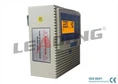
Single phase pump control panels are essential components in various pumping applications. They are designed to control and protect single phase pumps, ensuring efficient and safe operation. These panels typically include features such as motor starters, overload protection, and control switches. They can be found in residential water supply systems, small - scale irrigation setups, and light - industrial applications.
Power Consumption Basics
Power consumption of an electrical device is measured in watts (W) or kilowatts (kW). It represents the rate at which electrical energy is used. For a single phase pump control panel, power consumption is determined by several internal components. The main contributors to power consumption in a control panel are the control circuits, relays, and any built - in displays or sensors.
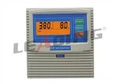
Control circuits are the brains of the panel. They are responsible for monitoring and regulating the pump's operation. These circuits continuously draw a small amount of power to stay active and perform their functions. Relays, which are used to switch electrical currents on and off, also consume power when they are energized. In addition, if the control panel is equipped with an LCD screen display, such as in the Single Phase Pump Control Panel Wih LCD Screen Display, it will add to the overall power consumption.
Factors Influencing Power Consumption
- Panel Complexity: The more features a single phase pump control panel has, the higher its power consumption is likely to be. A basic control panel with just a simple motor starter and overload protection will consume less power compared to a panel with advanced features like dry - run protection, automatic pressure control, and remote monitoring capabilities. For instance, the Dry Run Protection Single Phase Pump Control Device S521 with Sensor Free may consume more power due to the additional hardware and software required for detecting dry - run conditions.
- Quality of Components: High - quality components are often more energy - efficient. Cheaper components may draw more power to perform the same functions as their high - quality counterparts. For example, a well - designed relay with low resistance will consume less power than a poorly made one.
- Operating Mode: The power consumption of a single phase pump control panel can vary depending on its operating mode. When the pump is running, the control panel may draw more power to actively monitor and control the pump. In standby mode, the power consumption is usually lower, but there is still some power being used to keep the control circuits ready for the next operation.
Measuring Power Consumption
To accurately measure the power consumption of a single phase pump control panel, a power meter can be used. This device is connected between the control panel and the power source. By measuring the voltage and current flowing through the panel, the power consumption can be calculated using the formula P = VI (where P is power in watts, V is voltage in volts, and I is current in amperes).
It is important to note that power consumption can also vary over time. For example, if the control panel has a self - diagnostic function that runs periodically, the power consumption may spike during these diagnostic cycles.
Impact on Operational Costs
The power consumption of a single phase pump control panel directly affects the operational costs. Even a small increase in power consumption can lead to significant additional costs over time, especially in applications where the pump runs for long periods. For example, in a residential water supply system that operates 24/7, a control panel with high power consumption can add a noticeable amount to the electricity bill.
By choosing a more energy - efficient single phase pump control panel, users can reduce their operational costs. Our company offers a range of control panels that are designed with energy efficiency in mind. For example, the Reliable Single Phase Pump Controller ( MP - S1 Plus) Parameter Calibration with CE Certification is engineered to minimize power consumption while still providing reliable performance.
Energy - Saving Tips
- Proper Sizing: Ensure that the control panel is properly sized for the pump. An oversized control panel may consume more power than necessary.
- Regular Maintenance: Keep the control panel clean and well - maintained. Dust and dirt can cause components to overheat, which may increase power consumption.
- Use Energy - Efficient Components: When replacing components in the control panel, choose energy - efficient options.
Conclusion
In conclusion, the power consumption of a single phase pump control panel is influenced by various factors such as panel complexity, component quality, and operating mode. It is crucial for users to understand these factors and choose a control panel that balances performance and energy efficiency. As a supplier of single phase pump control panels, we are committed to providing high - quality, energy - efficient products.


If you are interested in learning more about our single phase pump control panels or would like to discuss your specific requirements for a pumping system, we invite you to contact us for a detailed consultation. Our team of experts is ready to assist you in finding the most suitable control panel for your needs and helping you optimize your pumping system's energy consumption.
References
- Electrical Engineering Handbook, various editions
- Pump System Optimization: A Guide to Achieving System - Wide Energy Efficiency, Hydraulic Institute