


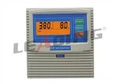


What is the power consumption of a Universal Three Phase Pump Control Panel?
As a supplier of Universal Three Phase Pump Control Panels, I often get asked about the power consumption of these essential devices. Understanding the power consumption of a three - phase pump control panel is crucial for both end - users and system designers. It helps in budgeting for energy costs, sizing electrical systems, and ensuring overall energy efficiency.
Factors Affecting Power Consumption
The power consumption of a Universal Three Phase Pump Control Panel is influenced by several factors. Firstly, the type of components used in the panel plays a significant role. High - quality, energy - efficient relays, contactors, and circuit breakers will consume less power compared to their lower - quality counterparts. For example, modern solid - state relays have lower power losses than traditional electromagnetic relays.
Secondly, the operating mode of the control panel matters. If the panel is in a standby mode, it will consume less power than when it is actively controlling the pump. In standby mode, only the basic monitoring and control circuits are operational, which typically draw a minimal amount of current. When the pump is activated, the control panel has to handle higher currents to operate the contactors and other switching devices, thus increasing power consumption.
The complexity of the control functions also affects power consumption. A control panel with advanced features such as variable frequency drives (VFDs), soft starters, and intelligent monitoring systems will generally consume more power than a basic panel with simple on - off control. VFDs, for instance, use power electronics to adjust the frequency and voltage supplied to the pump motor, which requires additional energy for the control and conversion processes.
Measuring Power Consumption
To accurately measure the power consumption of a Universal Three Phase Pump Control Panel, one can use a power meter. A power meter can measure the real power (in watts), apparent power (in volt - amperes), and power factor. The power factor is an important parameter as it indicates how effectively the panel is using the electrical power. A power factor close to 1 means that the panel is using the power efficiently, while a lower power factor indicates that there is some reactive power being wasted.
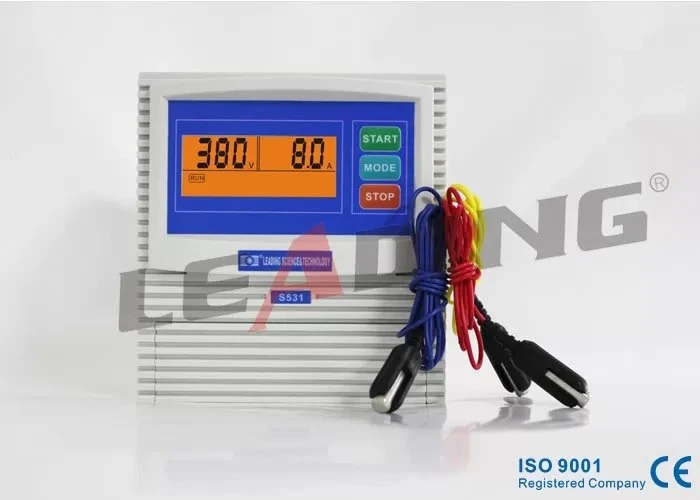

For example, if we measure a control panel and find that it has an apparent power of 500 VA and a power factor of 0.8, the real power consumption is calculated as follows: Real power (P) = Apparent power (S) x Power factor (PF). So, P = 500 VA x 0.8 = 400 W.
Power Consumption of Different Types of Panels
Let's take a look at the power consumption of some specific types of Universal Three Phase Pump Control Panels.
The Sewage Water Pump Controller Inside Built Level Transmitter is designed for sewage pumping applications. This panel typically has a relatively low power consumption in standby mode, around 10 - 20 watts. When the pump is running, the power consumption can increase to 50 - 100 watts, depending on the size of the contactors and the complexity of the level control system.
The L532 Farms Three Phase Duplex Pump Control Panel 6PCS is used in agricultural applications, where it controls two pumps. In standby mode, it may consume around 15 - 25 watts. When both pumps are operating, the power consumption can go up to 150 - 250 watts, especially if it has additional features like overload protection and pump alternation functions.
The Intelligent Three Phase Pump Control Panel Easy Maintansess is equipped with advanced monitoring and control features. In standby mode, it might consume 20 - 30 watts. When actively controlling the pump with functions like remote monitoring and fault diagnosis, the power consumption can reach 100 - 300 watts, depending on the extent of the intelligent features.
Reducing Power Consumption
There are several ways to reduce the power consumption of a Universal Three Phase Pump Control Panel. One method is to choose energy - efficient components during the design and installation process. As mentioned earlier, using solid - state relays and high - efficiency contactors can significantly reduce power losses.
Another approach is to optimize the control strategies. For example, using a VFD to adjust the pump speed according to the actual demand can save a large amount of energy. Instead of running the pump at full speed all the time, the VFD can slow down the pump when the demand is low, thus reducing power consumption.
Proper maintenance of the control panel is also essential. Loose connections, dirty contacts, and faulty components can increase power consumption. Regular inspections and cleaning can help ensure that the panel is operating efficiently.
Conclusion
In conclusion, the power consumption of a Universal Three Phase Pump Control Panel depends on various factors such as component type, operating mode, and control complexity. By understanding these factors and taking appropriate measures to reduce power consumption, users can save on energy costs and improve the overall efficiency of their pumping systems.
If you are interested in our Universal Three Phase Pump Control Panels and want to know more about their power consumption or other technical details, or if you are looking to make a purchase, feel free to contact us for further discussion and negotiation. We are committed to providing high - quality products and excellent service to meet your needs.
References
- Electrical Engineering Handbook, Third Edition, CRC Press
- Power Electronics: Converters, Applications, and Design, Third Edition, John Wiley & Sons