


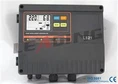
Hey there! As a supplier of Three Phase Submersible Pump Control Boxes, I've seen my fair share of these nifty devices. And let me tell you, maintaining them is super important if you want them to work well and last a long time. In this blog, I'm gonna share some tips on how to keep your three - phase submersible pump control box in tip - top shape.
Regular Inspections
The first step in maintaining your control box is to do regular inspections. You should check it at least once a month, or more often if it's in a harsh environment. Start by looking at the outside of the box. Check for any signs of physical damage like cracks, dents, or rust. If you see any damage, it could let in moisture or dust, which can mess up the internal components.
Next, take a peek inside the box. Make sure all the wires are properly connected. Loose wires can cause electrical problems, like short circuits or overheating. You can gently tug on the wires (but not too hard!) to see if they're secure. Also, look for any signs of burning or melting on the wires or the components. This could be a sign of an electrical issue that needs to be fixed right away.
Cleaning
Cleaning the control box is another crucial part of maintenance. Dust and dirt can build up inside the box over time, which can affect the performance of the components. Use a soft, dry brush to gently remove any dust from the components and the inside of the box. Be careful not to damage any of the delicate parts.
If there's a lot of dirt or grime, you can use a compressed air canister to blow it out. Just make sure you're using the air canister in a well - ventilated area, and follow the manufacturer's instructions. Avoid using any liquid cleaners unless the manufacturer specifically says it's okay. Liquids can damage the electrical components.
Temperature and Humidity Control
Three - phase submersible pump control boxes are sensitive to temperature and humidity. High temperatures can cause the components to overheat and fail, while high humidity can lead to corrosion. Try to install the control box in a cool, dry place. If it's in an area where the temperature or humidity is hard to control, you might want to consider using a temperature - controlled enclosure or a dehumidifier.


You can also monitor the temperature and humidity inside the box using a thermometer and a hygrometer. If the temperature or humidity levels are outside the recommended range, take steps to adjust them. For example, if it's too hot, you can add a fan to the enclosure to improve ventilation.
Component Testing
Periodically, you should test the components in the control box to make sure they're working properly. You can use a multimeter to test the voltage, current, and resistance of the components. If you're not familiar with using a multimeter, it's a good idea to have someone who is experienced do the testing for you.
Some of the key components to test include the relays, contactors, and circuit breakers. These components are responsible for controlling the flow of electricity in the control box. If they're not working correctly, it can cause the pump to malfunction.
Software Updates
If your control box has any software or firmware, make sure you keep it up - to - date. Software updates can fix bugs, improve performance, and add new features. Check the manufacturer's website regularly for any available updates.
Installing software updates is usually a straightforward process, but it's important to follow the instructions carefully. Make sure you back up any important data before you start the update process, just in case something goes wrong.
Troubleshooting
Even with regular maintenance, you might still run into problems with your control box. If you notice any issues, like the pump not starting or stopping correctly, or if you see any error messages on the control panel, don't panic. Start by checking the basics, like the power supply and the wiring.
If you can't find the problem on your own, it's a good idea to contact a professional. They have the tools and expertise to diagnose and fix more complex problems.
Now, let me tell you about some of the great products we offer as a Three Phase Submersible Pump Control Box supplier. We have the 6 PCS Duplex GSM Based Pump Controller, which is a high - tech solution that allows you to control your pumps remotely using your GSM phone. It's very convenient and reliable.
We also have the Digital Water Pump Control Box Cell Phone Based Remote Controller. This product lets you monitor and control your water pumps from your cell phone, giving you more flexibility and peace of mind.
And for those who need a different type of control, we offer the 3 Phase DTMF Based Water Pump Controller. It uses DTMF technology to provide a reliable and efficient way to control your three - phase pumps.
If you're interested in any of our products or have any questions about maintaining your three - phase submersible pump control box, don't hesitate to reach out. We're here to help you find the best solutions for your needs. Whether you're a small business owner or a large - scale industrial user, we have the products and expertise to support you.
References
- General knowledge from years of experience as a Three Phase Submersible Pump Control Box supplier.
- Manufacturer's manuals and guidelines for various control box models.