




As a supplier of CE Approved Single Phase Pump Control Panels, I often encounter inquiries regarding the starting current of these panels. Understanding the starting current is crucial for proper installation, operation, and maintenance of the pump control system. In this blog post, I will delve into the concept of starting current, its significance, and factors that influence it in the context of single phase pump control panels.


What is Starting Current?
Starting current, also known as inrush current, refers to the high current that flows through an electrical circuit when a motor or pump is initially started. This surge in current is typically much higher than the normal operating current of the device and lasts for a short period, usually a fraction of a second to a few seconds. The starting current is necessary to overcome the inertia of the motor and bring it up to its rated speed.
In the case of a single phase pump control panel, the starting current is the current drawn by the pump motor when it is first energized. This current can be several times higher than the rated current of the motor, depending on various factors such as the type of motor, the load on the pump, and the starting method used.
Significance of Starting Current
Understanding the starting current of a single phase pump control panel is important for several reasons:
- Electrical System Design: The starting current of the pump motor needs to be considered when designing the electrical system for the pump control panel. The electrical supply must be able to handle the high starting current without tripping the circuit breakers or causing other electrical problems.
- Motor Protection: Excessive starting current can cause damage to the motor windings and other components of the pump control panel. Proper motor protection devices, such as overload relays and fuses, need to be installed to prevent damage to the motor due to high starting current.
- Energy Consumption: The high starting current can result in increased energy consumption during the starting process. By understanding the starting current and using appropriate starting methods, it is possible to reduce the energy consumption and improve the overall efficiency of the pump control system.
Factors Affecting Starting Current
Several factors can influence the starting current of a single phase pump control panel:
- Motor Type: Different types of motors have different starting current characteristics. For example, a capacitor-start motor typically has a higher starting current than a permanent split capacitor motor.
- Load on the Pump: The load on the pump, such as the head pressure and the flow rate, can affect the starting current. A higher load on the pump will require more torque to start the motor, resulting in a higher starting current.
- Starting Method: The starting method used for the pump motor can also have a significant impact on the starting current. There are several starting methods available for single phase motors, including direct-on-line (DOL) starting, capacitor-start starting, and soft starting. Each starting method has its own advantages and disadvantages in terms of starting current, torque, and cost.
Starting Methods and Their Impact on Starting Current
Let's take a closer look at some of the common starting methods used for single phase pump control panels and their impact on the starting current:
- Direct-On-Line (DOL) Starting: In DOL starting, the motor is directly connected to the electrical supply without any starting devices. This is the simplest and most cost-effective starting method, but it also results in the highest starting current. The starting current of a motor using DOL starting can be up to 6-8 times the rated current of the motor.
- Capacitor-Start Starting: Capacitor-start starting is a commonly used starting method for single phase motors. In this method, a capacitor is connected in series with the start winding of the motor to provide additional torque during the starting process. The capacitor helps to reduce the starting current and improve the starting torque of the motor. The starting current of a motor using capacitor-start starting is typically around 3-5 times the rated current of the motor.
- Soft Starting: Soft starting is a more advanced starting method that uses electronic devices to gradually ramp up the voltage and current to the motor during the starting process. This helps to reduce the starting current and minimize the mechanical stress on the motor and the pump. The starting current of a motor using soft starting can be as low as 1.5-2 times the rated current of the motor.
Our Single Phase Pump Control Panels
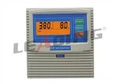
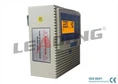
At our company, we offer a range of Durable AC220V Single Phase Pump Control Panel that are designed to provide reliable and efficient operation. Our control panels are CE approved, ensuring compliance with the highest quality and safety standards.
We also offer Pump Factory Single Phase Pump Control Panel with Pump Stalled Protection, which are equipped with advanced protection features to prevent damage to the pump motor due to high starting current and other electrical problems.
In addition, our Compact Size Single Phase Pump Control Panel Easy Operation and installation are designed for easy installation and operation. They are compact in size, making them suitable for use in a variety of applications where space is limited.
Contact Us for Procurement
If you are interested in purchasing a single phase pump control panel or have any questions about the starting current or other technical aspects of our products, please feel free to contact us. Our team of experts will be happy to assist you with your procurement needs and provide you with the information and support you need.
References
- "Electric Motors and Drives: Fundamentals, Types and Applications" by Austin Hughes
- "Electrical Installation Work" by John Tomlinson
- "Pump Handbook" by Igor J. Karassik, Joseph P. Messina, Paul Cooper, and Charles C. Heald