


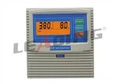
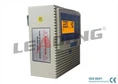


As a supplier of Single Phase Pump Control Panels, I've encountered numerous inquiries regarding the optimal temperature range for these panels to function properly. This blog post aims to shed light on this crucial aspect, providing valuable insights for users and potential customers.
Understanding the Basics of Single Phase Pump Control Panels
Before delving into the temperature range, it's essential to understand what a single phase pump control panel is and its significance. A single phase pump control panel is a vital component in pump systems, designed to manage and regulate the operation of single-phase pumps. It ensures that the pump starts and stops at the right times, protecting the pump from damage and ensuring efficient water supply.
The Impact of Temperature on Single Phase Pump Control Panels
Temperature plays a pivotal role in the performance and longevity of single phase pump control panels. Extreme temperatures, whether too high or too low, can have detrimental effects on the panel's components.
High Temperatures
High temperatures can cause several issues for single phase pump control panels. Firstly, excessive heat can lead to overheating of electronic components, such as relays, contactors, and circuit boards. This overheating can cause the components to malfunction or even fail prematurely, resulting in costly repairs or replacements.
Secondly, high temperatures can accelerate the aging process of insulation materials used in the panel. As the insulation deteriorates, it can lead to electrical shorts and other safety hazards. Additionally, high temperatures can increase the resistance of electrical conductors, reducing the efficiency of the panel and increasing energy consumption.
Low Temperatures
On the other hand, low temperatures can also pose challenges for single phase pump control panels. Cold temperatures can cause the lubricants in moving parts, such as relays and switches, to thicken, making them less responsive. This can lead to delayed or inconsistent operation of the panel, affecting the performance of the pump.
Furthermore, low temperatures can cause condensation to form inside the panel. Condensation can lead to corrosion of electrical components, short circuits, and other electrical problems. In extreme cases, freezing temperatures can cause the water in the panel to freeze, damaging the components and rendering the panel inoperable.
The Optimal Temperature Range for Single Phase Pump Control Panels
Based on industry standards and our experience as a supplier, the optimal temperature range for single phase pump control panels to operate properly is typically between -20°C (-4°F) and 60°C (140°F). This range allows the panel's components to function within their designed specifications, ensuring reliable and efficient operation.
However, it's important to note that the specific temperature range may vary depending on the manufacturer and the model of the control panel. Some panels may be designed to operate in more extreme temperatures, while others may have a narrower temperature range. Therefore, it's crucial to refer to the manufacturer's specifications and guidelines for the exact temperature range of your specific control panel.
Factors Affecting the Temperature Range
Several factors can affect the temperature range within which a single phase pump control panel can operate properly. These factors include:
Location and Environment
The location and environment where the control panel is installed can have a significant impact on its temperature. For example, if the panel is installed in a poorly ventilated area or in direct sunlight, it can experience higher temperatures than if it were installed in a well-ventilated, shaded location. Similarly, if the panel is installed in a cold environment, such as an unheated basement or outdoor shed, it may be exposed to lower temperatures.
Load and Usage
The load and usage of the pump can also affect the temperature of the control panel. If the pump is operating at a high load for extended periods, it can generate more heat, causing the temperature of the panel to rise. Conversely, if the pump is operating at a low load or is not in use for long periods, the temperature of the panel may be lower.
Design and Construction
The design and construction of the control panel can also influence its temperature range. Panels with better ventilation and heat dissipation features are generally more capable of operating in higher temperatures. Additionally, panels made from high-quality materials and with proper insulation are better able to withstand extreme temperatures.
Ensuring Optimal Temperature Conditions
To ensure that your single phase pump control panel operates within the optimal temperature range, it's important to take the following steps:
Proper Installation
Install the control panel in a well-ventilated area away from direct sunlight and sources of heat. Avoid installing the panel in areas prone to flooding or excessive moisture.
Adequate Ventilation
Ensure that the control panel has adequate ventilation to dissipate heat. This may involve installing fans or vents in the panel or providing sufficient space around the panel for air circulation.
Temperature Monitoring
Regularly monitor the temperature of the control panel using a thermometer or temperature sensor. If the temperature exceeds the recommended range, take appropriate measures to cool the panel, such as increasing ventilation or relocating the panel to a cooler location.
Maintenance and Inspection
Perform regular maintenance and inspections of the control panel to ensure that all components are functioning properly. Check for signs of overheating, such as discoloration or melting of components, and replace any damaged or worn parts promptly.
Our Single Phase Pump Control Panel Products
At our company, we offer a wide range of high-quality single phase pump control panels designed to operate within the optimal temperature range. Our products are built to last, with durable components and reliable performance.


One of our popular products is the Durable Single Phase Duplex Pump Control Panel with One Push Button Calibration. This panel features a user-friendly design with one push button calibration, making it easy to set up and operate. It is suitable for a variety of applications, including residential and commercial water supply systems.
Another great option is the 0.37-2.2KW Single Phase Pump Control Panel. This panel is designed for pumps with a power range of 0.37 to 2.2 kilowatts, providing reliable control and protection for your pump. It is compact and easy to install, making it a popular choice for small to medium-sized pump systems.
We also offer the M921 Model Single Phase Pump Control Panel Reserved Space for Installing Start Capacitor. This panel features a reserved space for installing a start capacitor, allowing for easy customization and flexibility. It is suitable for a wide range of single-phase pumps, providing efficient and reliable operation.
Contact Us for Purchasing and Consultation
If you're in the market for a single phase pump control panel or have any questions about our products, we'd love to hear from you. Our team of experts is available to provide you with detailed information, technical support, and assistance with your purchase.
Whether you're a homeowner, a contractor, or a business owner, we have the right single phase pump control panel to meet your needs. Contact us today to learn more about our products and how we can help you ensure the proper operation of your pump system.
References
- Electrical Installation Guide for Single Phase Pump Control Panels.
- Manufacturer's Specifications for Single Phase Pump Control Panels.
- Industry Standards for Temperature Ranges in Electrical Equipment.