


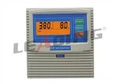
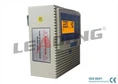


Hey there! As a supplier of Duplex Alternating Three Phase Pump Controllers, I often get asked about the temperature range in which these nifty devices can operate. Well, let's dive right into it and break it down for you.
First off, it's super important to understand why the temperature range matters. A pump controller is like the brain of a pump system. It ensures that the pumps work in harmony, alternating between them to prevent over - use of a single pump and to handle different levels of demand efficiently. But if the temperature is too extreme, it can mess with the controller's performance and even lead to premature failure.


Most Duplex Alternating Three Phase Pump Controllers are designed to operate within a specific temperature range. Generally, the lower end of this range is around -20°C (-4°F). This might seem pretty cold, but these controllers are built tough. At this low temperature, the internal components are still able to function properly. The electrical circuits don't freeze up, and the relays can still switch on and off as needed. For instance, in areas with harsh winters, like parts of Canada or Russia, these controllers can keep the pump systems running even when the mercury drops.
On the other end of the spectrum, the upper limit of the operating temperature range is usually around 60°C (140°F). In high - temperature environments such as industrial settings where there's a lot of heat generated or in desert regions, the controller needs to be able to withstand the heat. The electronic components are made of materials that can handle this kind of heat without getting damaged. The printed circuit boards (PCBs) have heat - resistant coatings, and the capacitors and resistors are chosen for their high - temperature tolerance.
However, it's not just about the absolute temperature limits. The rate at which the temperature changes also matters. Sudden and extreme temperature swings can cause thermal stress on the components. For example, if a controller that's been sitting in a cold environment is suddenly exposed to a very hot one, the different materials inside the controller expand and contract at different rates. This can lead to cracks in the PCBs or loose connections, which can ultimately lead to malfunction.
Now, let's talk about how these temperature ranges affect different types of applications. If you're using a Construction Site Duplex Pump Controller for Drainage, you'll face a wide range of temperatures. Construction sites can be in hot, sunny areas during the day and then get quite cold at night. The controller needs to be able to adapt to these changes. It has to keep the pumps working to drain water from the site, whether it's sweltering or freezing.
For those using a 3 Phase Pump Controller for Water Supply From Wells, the temperature can vary depending on the location of the well. If it's in a deep well, the temperature might be more stable. But if it's a shallow well or one located in an area with extreme climate conditions, the controller has to be up to the task. It ensures that the water supply is consistent, regardless of whether it's a hot summer day or a cold winter night.
And if you're dealing with a Duplex Pump Controller for Waste Water Tank Sewage Sink, temperature can play a crucial role. Wastewater can generate heat, especially if there's a lot of biological activity going on. The controller has to be able to handle this heat while also being able to operate in cooler conditions. It needs to keep the pumps working to move the wastewater out of the tank and into the sewer system efficiently.
So, what can you do to ensure that your Duplex Alternating Three Phase Pump Controller operates within the ideal temperature range? Well, proper installation is key. Make sure the controller is installed in a well - ventilated area. If it's in a hot environment, you might want to consider adding a cooling system, like a small fan or a heat sink. On the other hand, in cold environments, you can insulate the controller to keep it warm.
Another thing to keep in mind is regular maintenance. Check the controller for any signs of overheating or cold - related damage. Look for things like discolored components, loose connections, or strange noises. If you notice any issues, it's best to address them right away to avoid more serious problems down the road.
As a supplier, we've spent a lot of time researching and developing our Duplex Alternating Three Phase Pump Controllers to ensure they can handle a wide range of temperatures. We use high - quality materials and state - of - the - art manufacturing processes to make sure our controllers are reliable and durable.
If you're in the market for a Duplex Alternating Three Phase Pump Controller, we'd love to have a chat with you. Whether you're working on a construction site, need a water supply from a well, or are dealing with wastewater management, we have the right solution for you. Don't hesitate to reach out and start a conversation about your specific needs. We're here to help you find the perfect pump controller for your application.
References
- Pump Control Handbook, Industry Standard Edition
- Electrical Component Temperature Tolerance Research Papers