


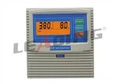
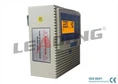


As a trusted supplier of Duplex Pump Controllers, I understand the significance of having a clear understanding of the performance indicators that these devices possess. A Duplex Pump Controller is a crucial component in various pumping systems, ensuring efficient and reliable operation. In this blog post, I will delve into the key performance indicators that a Duplex Pump Controller should have, providing you with valuable insights to make informed decisions for your pumping needs.
1. Pump Control Logic
One of the primary performance indicators of a Duplex Pump Controller is its control logic. The controller should be able to manage the operation of two pumps in a coordinated manner, ensuring that they work together effectively. This includes functions such as alternation, lead-lag operation, and duty cycling.
- Alternation: Alternation is a critical feature that ensures equal wear and tear on both pumps. The controller should automatically alternate the lead pump between the two pumps at regular intervals. This not only extends the lifespan of the pumps but also reduces the risk of one pump being overused while the other remains idle.
- Lead-Lag Operation: Lead-lag operation allows one pump to act as the primary (lead) pump, while the other serves as a backup (lag) pump. The controller should be able to detect when the lead pump is unable to meet the demand and automatically start the lag pump. This ensures continuous operation and prevents system failures.
- Duty Cycling: Duty cycling refers to the ability of the controller to control the on-off cycles of the pumps based on the demand. The controller should be able to adjust the pump operation to match the flow requirements, reducing energy consumption and wear on the pumps.
2. Level Sensing Accuracy
Accurate level sensing is essential for the proper operation of a Duplex Pump Controller. The controller should be able to detect the liquid level in the sump or tank and control the pumps accordingly. There are several types of level sensors that can be used, including float switches, pressure sensors, and ultrasonic sensors.


- Float Switches: Float switches are the most common type of level sensors used in pump control systems. They are simple, reliable, and cost-effective. The controller should be able to accurately interpret the signals from the float switches and control the pumps based on the preset levels.
- Pressure Sensors: Pressure sensors are used to measure the pressure in the system, which can be correlated to the liquid level. They are more accurate than float switches and can provide continuous level monitoring. The controller should be able to process the pressure signals and adjust the pump operation accordingly.
- Ultrasonic Sensors: Ultrasonic sensors use sound waves to measure the distance to the liquid surface. They are non-contact sensors, which makes them suitable for applications where the liquid is corrosive or contains solids. The controller should be able to accurately interpret the ultrasonic signals and control the pumps based on the measured level.
3. Overload and Short Circuit Protection
Overload and short circuit protection are crucial performance indicators of a Duplex Pump Controller. The controller should be able to detect when the pumps are overloaded or when there is a short circuit in the system and take appropriate action to protect the pumps and the electrical system.
- Overload Protection: Overload protection is designed to prevent the pumps from being damaged due to excessive current. The controller should be able to monitor the current draw of the pumps and automatically shut them off if the current exceeds the preset limit. This protects the pumps from overheating and extends their lifespan.
- Short Circuit Protection: Short circuit protection is used to prevent damage to the electrical system in case of a short circuit. The controller should be able to detect a short circuit and quickly disconnect the power to the pumps to prevent further damage.
4. Dry Run Protection
Dry run protection is an important performance indicator, especially for sewage pumping systems. Dry running occurs when the pumps operate without sufficient liquid, which can cause damage to the pumps and the seals. The controller should be able to detect when the pumps are running dry and automatically shut them off to prevent damage.
For more information on dry run protection, you can visit Duplex Pump Controller Dry Run Protection for Sewage Pumping System.
5. Voltage and Current Monitoring
Voltage and current monitoring are essential performance indicators for ensuring the proper operation of the pumps and the electrical system. The controller should be able to monitor the voltage and current levels and provide alerts if there are any abnormalities.
- Voltage Monitoring: Voltage monitoring is used to ensure that the pumps are operating within the specified voltage range. The controller should be able to detect overvoltage or undervoltage conditions and take appropriate action to protect the pumps. For example, if the voltage is too high, the controller may reduce the pump speed or shut off the pumps to prevent damage.
- Current Monitoring: Current monitoring is used to monitor the electrical current drawn by the pumps. The controller should be able to detect any abnormal current spikes or fluctuations, which may indicate a problem with the pumps or the electrical system. If an abnormal current is detected, the controller can shut off the pumps to prevent damage.
6. Alarm and Notification System
An alarm and notification system is an important performance indicator that provides early warning of potential problems in the pumping system. The controller should be able to generate alarms and notifications when certain conditions are met, such as high or low liquid levels, pump overload, or short circuit.
- Audible and Visual Alarms: The controller should be equipped with audible and visual alarms to alert the operator of any problems. Audible alarms can be used to attract immediate attention, while visual alarms can provide a continuous indication of the problem.
- Remote Notification: In addition to local alarms, the controller should also be able to send remote notifications to the operator's mobile phone or email. This allows the operator to monitor the system remotely and take appropriate action in a timely manner.
7. Environmental Protection
Environmental protection is an important consideration for Duplex Pump Controllers, especially in outdoor or harsh environments. The controller should be designed to withstand the environmental conditions and provide reliable operation.
- IP Rating: The IP (Ingress Protection) rating indicates the degree of protection provided by the controller against dust and water. A higher IP rating means better protection. For example, an IP54 Duplex Pump Controller is protected against dust ingress and splashing water.
- Corrosion Resistance: The controller should be made of materials that are resistant to corrosion, especially in applications where the liquid is corrosive or the environment is humid. This ensures the long-term reliability of the controller.
8. Compatibility and Flexibility
Compatibility and flexibility are important performance indicators that allow the Duplex Pump Controller to be integrated into different pumping systems. The controller should be compatible with different types of pumps, sensors, and electrical systems.
- Pump Compatibility: The controller should be able to control different types of pumps, such as centrifugal pumps, submersible pumps, and sewage pumps. It should be able to adjust the pump operation based on the pump characteristics and the system requirements.
- Sensor Compatibility: The controller should be compatible with different types of level sensors, pressure sensors, and other sensors used in the pumping system. This allows for easy integration of the controller into existing systems.
- Electrical Compatibility: The controller should be compatible with the electrical system in terms of voltage, current, and phase. It should be able to operate within the specified electrical parameters and provide reliable performance.
Conclusion
In conclusion, a high-quality Duplex Pump Controller should have a range of performance indicators that ensure efficient, reliable, and safe operation of the pumping system. These indicators include pump control logic, level sensing accuracy, overload and short circuit protection, dry run protection, voltage and current monitoring, alarm and notification system, environmental protection, and compatibility and flexibility.
If you are in the market for a Duplex Pump Controller, I encourage you to consider our products. We offer a wide range of Sewage Pump Controller for 3 Phase Under Voltage Protection and other Duplex Pump Controllers that meet the highest standards of performance and reliability. Our controllers are designed to provide optimal pump control and protection, ensuring the long-term success of your pumping system.
If you have any questions or would like to discuss your specific requirements, please feel free to contact us. We are here to help you find the best solution for your pumping needs.
References
- Pump Handbook, 4th Edition, by Igor J. Karassik, Joseph P. Messina, Paul Cooper, and Charles C. Heald.
- Electrical Engineering Handbook, 4th Edition, by Richard C. Dorf.
- Control Systems Engineering, 7th Edition, by Norman S. Nise.