



How Automatic Pressure Control Enhances Water Pump Efficiency
Table of Contents
Introduction to Automatic Pressure Control
Understanding Water Pump Efficiency
How Automatic Pressure Control Works
Benefits of Automatic Pressure Control
Applications of Automatic Pressure Control in Water Systems
Choosing the Right Automatic Pressure Control System
Common Challenges and Solutions
The Future of Water Pump Technology
Introduction to Automatic Pressure Control
The demand for efficient water systems is at an all-time high, driven by growing populations and the pressing need for sustainable resource management. Automatic pressure control systems have emerged as a vital technology in enhancing the efficiency of water pumps. By maintaining optimal pressure levels, these systems not only improve performance but also reduce energy consumption, leading to substantial cost savings.
Understanding Water Pump Efficiency
Water pump efficiency refers to the effectiveness with which a pump converts mechanical energy into hydraulic energy. There are several factors that contribute to pump efficiency, including:
1. Pump Design
The design of the pump itself plays a significant role in efficiency. A well-designed pump will minimize turbulence and friction, allowing water to flow smoothly.
2. Motor Efficiency
The motor powering the pump must be efficient as well. Using high-efficiency motors can significantly enhance overall system performance.
3. System Configuration
The layout of the piping and valves in a water system can lead to energy losses. Optimizing these elements is crucial for improving efficiency.
How Automatic Pressure Control Works
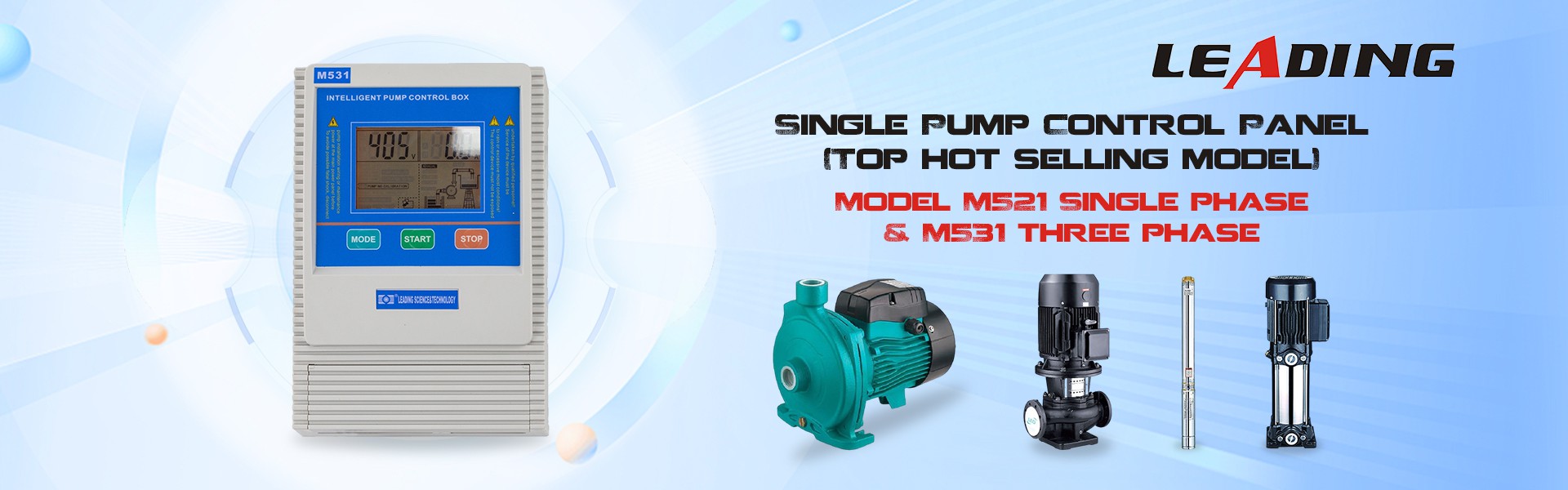
Automatic pressure control systems utilize sensors and controllers to monitor and adjust the pressure within a water pumping system. Here's a breakdown of how they function:
1. Pressure Sensors
These devices continuously measure the water pressure in the system. When pressure deviates from the desired set point, the sensors send signals to the control system.
2. Control Algorithms
Advanced algorithms analyze the data from pressure sensors and determine the necessary adjustments to maintain optimal pressure. This may involve altering the speed of the pump or adjusting valve positions.
3. Actuation
Once the control algorithms decide on the necessary changes, actuators implement these adjustments, ensuring that the water system operates efficiently.
Benefits of Automatic Pressure Control
The integration of automatic pressure control systems into water pumping operations offers a multitude of benefits:
1. Enhanced Energy Efficiency
By maintaining the optimal pressure level, these systems reduce the workload on pumps, leading to lower energy consumption. This not only conserves energy but also translates into significant cost savings over time.
2. Improved System Reliability
Consistent pressure levels result in fewer operational failures and breakdowns. This reliability ensures that water supply remains uninterrupted, which is crucial for both residential and commercial applications.
3. Extended Equipment Lifespan
By reducing the strain on pumps and other components, automatic pressure control systems can extend the life expectancy of water pumping equipment, ultimately saving money on replacements and repairs.
4. Optimized Water Distribution
Automatic pressure control allows for more efficient water distribution throughout a system. This is particularly important in large-scale applications where maintaining even pressure across a vast network is essential.
Applications of Automatic Pressure Control in Water Systems
Automatic pressure control systems are versatile and can be employed in various scenarios:
1. Municipal Water Supply
In municipal systems, maintaining consistent pressure is vital for ensuring that all residents receive adequate water supply. Automatic pressure control helps achieve this goal effectively.
2. Agriculture
Farmers rely on water pumps for irrigation. By implementing automatic pressure control, they can optimize water usage and improve crop yield while minimizing waste.
3. Industrial Processes
Many industries depend on water pumps for cooling and processing. Automatic pressure control ensures that these processes run smoothly without pressure fluctuations that could disrupt operations.
4. HVAC Systems
Heating, ventilation, and air conditioning systems often utilize water pumps. Automatic pressure control can enhance the performance and efficiency of these systems, leading to better climate control in buildings.
Choosing the Right Automatic Pressure Control System
Selecting an appropriate automatic pressure control system involves several considerations:
1. System Requirements
Assess the specific needs of your water system. Understand the desired pressure range, flow rates, and the types of pumps in use.
2. Compatibility
Ensure that the pressure control system is compatible with existing pumps and infrastructure. It should integrate seamlessly to avoid complications.
3. Scalability
Choose a system that allows for future expansion. As water demands grow, having a scalable solution can save time and resources down the line.
4. Cost Versus Benefits
Evaluate the upfront costs against the potential long-term savings in energy and maintenance. A higher initial investment may lead to substantial savings in the future.
Common Challenges and Solutions
While implementing automatic pressure control systems can be beneficial, there are challenges that may arise:
1. Initial Costs
The upfront cost of automatic pressure control systems can be daunting. However, the long-term savings in energy and maintenance often justify the investment.
2. Complexity of Installation
Installation can be complex, requiring skilled technicians. Hiring experienced professionals can mitigate these challenges and ensure proper setup.
3. Maintenance Requirements
Like any technology, automatic pressure control systems require regular maintenance. Establishing a proactive maintenance schedule can enhance system longevity and performance.
The Future of Water Pump Technology
As technology continues to advance, we can expect significant innovations in water pump systems:
1. Smart Technology Integration
The future will likely see increased integration of smart technologies, enabling real-time monitoring and adjustments through IoT devices.
2. Sustainability Focus
With growing environmental concerns, the focus on sustainability will drive the development of more energy-efficient and eco-friendly water pump technologies.
3. Enhanced Automation
Future systems will feature more sophisticated algorithms for better predictive maintenance and efficiency optimization, ensuring optimal performance at all times.
Frequently Asked Questions
1. What is an automatic pressure control system?
An automatic pressure control system regulates the pressure within a water pumping system using sensors and control algorithms to maintain optimal pressure levels.
2. How does automatic pressure control improve efficiency?
By maintaining consistent pressure, these systems reduce energy consumption and enhance the operational performance of water pumps.
3. Can automatic pressure control systems be retrofitted to existing pumps?
Yes, many automatic pressure control systems can be integrated into existing setups, provided they are compatible with current infrastructure.
4. What are the maintenance requirements for these systems?
Regular inspections and maintenance are recommended to ensure optimal performance, including checking sensors, actuators, and control algorithms.
5. Are there specific industries that benefit the most from automatic pressure control?
Municipal water supply, agriculture, industrial processes, and HVAC systems are among the industries that gain significant advantages from these systems.
Conclusion
In conclusion, automatic pressure control systems are a game-changer in enhancing the efficiency of water pumps. By providing consistent pressure control, these systems not only improve energy efficiency and reliability but also extend the lifespan of water pumping equipment. As technology advances, the future holds even more potential for optimizing water systems, making automatic pressure control an essential investment for any operation relying on water pumps. Integrating these systems could pave the way for sustainable resource management, ensuring that our water supply meets current and future demands effectively.