

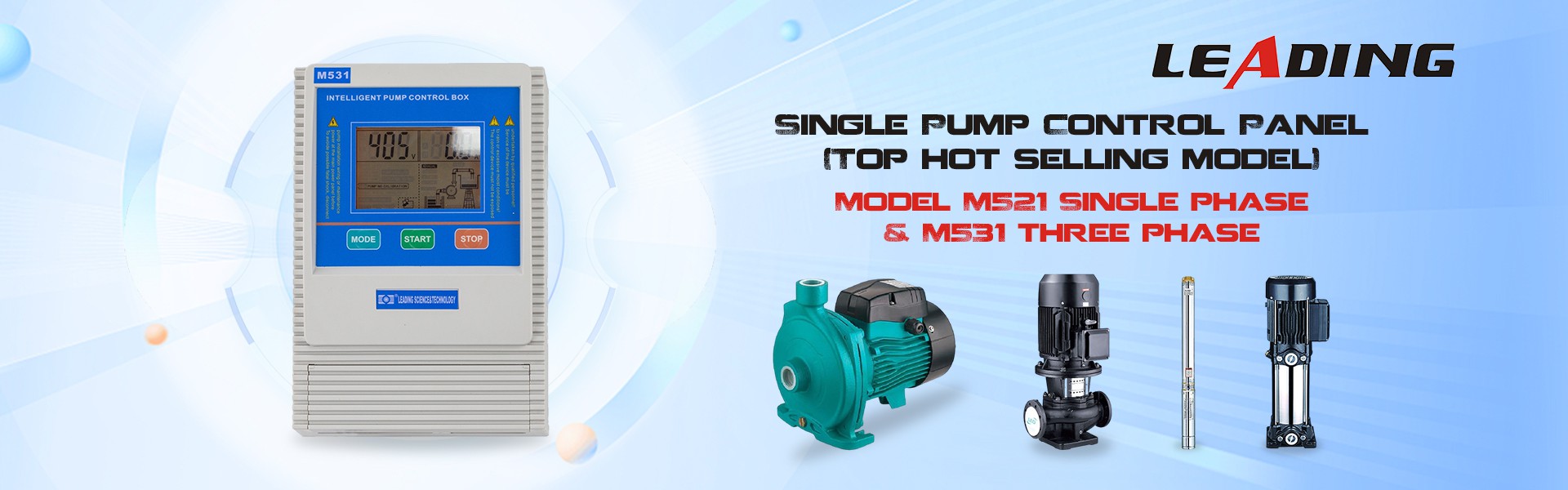


In the realm of water engineering, deep well pump control systems play a pivotal role in managing groundwater extraction efficiently. These systems are designed to operate in challenging conditions, where standard pumps may not suffice. As the demand for reliable water supply systems increases, understanding the intricacies of deep well pump control becomes essential for professionals in the field.
A deep well pump control system typically incorporates various components, including sensors, motor controllers, and automation software. The sensors monitor critical parameters such as water levels, pressure, and flow rate, providing real-time data that is essential for effective system management. By continuously assessing these parameters, the control system can optimize pump performance, ensuring that water is drawn from the well at the most efficient rate.
Automation is a key element in modern deep well pump control. With advanced control algorithms, these systems can adapt to changing conditions. For instance, if water levels drop below a pre-set threshold, the control system can automatically adjust the pump's operation to prevent dry running, which can cause significant damage. Similarly, in cases of increased water demand, the system can ramp up the pump's output to meet the need, all without manual intervention.
Another critical aspect of deep well pump control is energy efficiency. Modern systems are designed to minimize energy consumption while maximizing output. Variable frequency drives (VFDs) are often employed in these systems, allowing for precise control of the pump motor speed. By adjusting the speed based on real-time demand, VFDs can lead to significant energy savings, which is a vital consideration in any water management project.
Moreover, remote monitoring and control capabilities have revolutionized the management of deep well pump systems. With the integration of Internet of Things (IoT) technology, operators can access system data and controls from anywhere, enabling proactive maintenance and immediate response to any issues that arise. This not only enhances operational efficiency but also extends the lifespan of the equipment.
In conclusion, deep well pump control systems are an integral part of water engineering, offering a blend of efficiency, reliability, and automation. By leveraging advanced technology, professionals can ensure that these systems operate seamlessly, meeting the ever-growing demands for water supply while minimizing environmental impact. Understanding these systems' functionalities and benefits is crucial for anyone involved in the design, implementation, or management of water engineering projects. As the industry continues to evolve, staying abreast of these developments will undoubtedly provide a competitive edge in the field.