

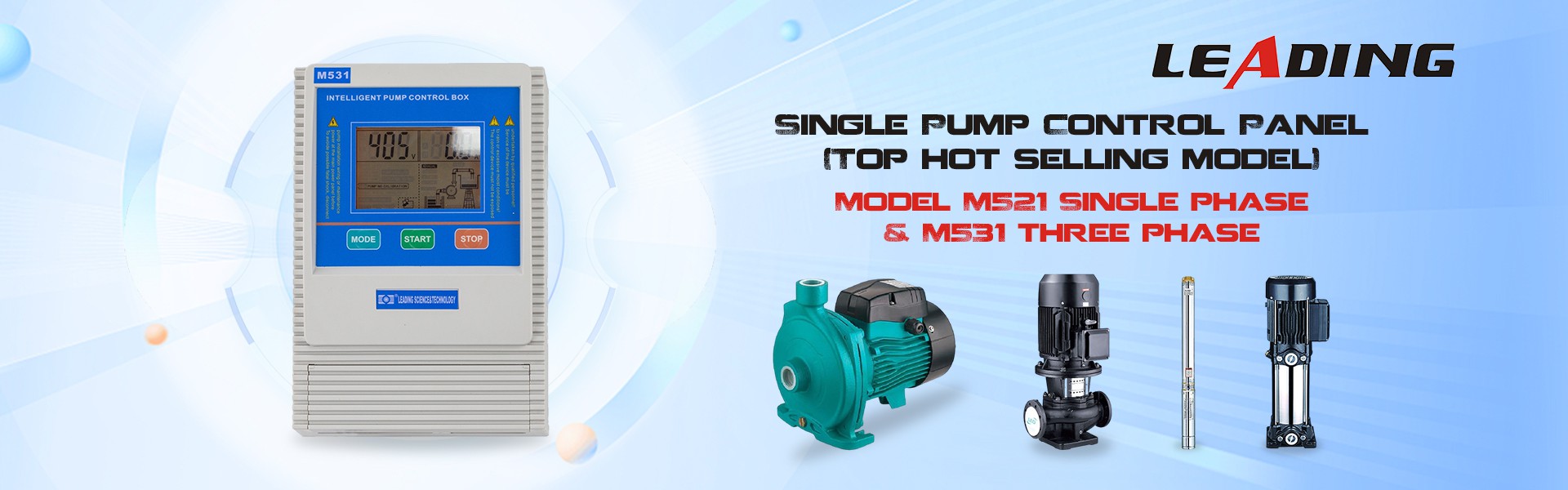


In the realm of water engineering, deep well pump control plays a crucial role in efficient water distribution and management. These systems are essential for drawing water from underground aquifers and supplying it for various applications, including irrigation, municipal water supply, and industrial processes. Understanding the mechanics and technologies behind deep well pump control is vital for engineers and operators aiming to optimize performance and minimize operational costs.
Deep well pumps are designed to operate efficiently at significant depths, where traditional pumping solutions may fail. They utilize a motor located above ground that drives a pump submerged deep within the well. Automatic control systems are often implemented to manage these pumps, allowing for real-time monitoring and adjustments based on water demand, pressure levels, and other critical parameters.
One of the key benefits of implementing automated deep well pump control systems is the enhancement of energy efficiency. By integrating sensors and intelligent control algorithms, these systems can adapt to changing conditions, optimizing the pump's operation to reduce energy consumption. For instance, when water demand decreases, the system can reduce the pump's speed or cycle it off entirely, leading to significant cost savings over time.
Moreover, automation in deep well pump control contributes to improved reliability and operational longevity. Advanced monitoring technologies can detect anomalies or inefficiencies in the system, allowing for proactive maintenance before major failures occur. This predictive approach not only extends the lifespan of the equipment but also minimizes downtime, ensuring a continuous water supply.
In addition to energy savings and reliability, automated deep well pump control systems can enhance water quality management. By monitoring parameters such as turbidity, pH, and microbial content, operators can make informed decisions and adjust the system to ensure the delivered water meets safety and quality standards. This capability is particularly important in agricultural applications, where water quality directly impacts crop yield.
As the demand for sustainable water management solutions grows, the role of deep well pump control in water engineering becomes even more critical. Engineers and water resource managers must stay informed about the latest advancements in automation technologies to implement the most effective control systems. By leveraging these innovations, they can ensure a reliable, efficient, and sustainable supply of water for future generations.
In conclusion, deep well pump control is an integral aspect of water engineering that can significantly benefit from automation. By optimizing operations through intelligent monitoring and control, water management professionals can achieve greater efficiency, reliability, and sustainability in their systems. Embracing these technologies can lead to transformative results in how we manage and utilize our precious water resources.