

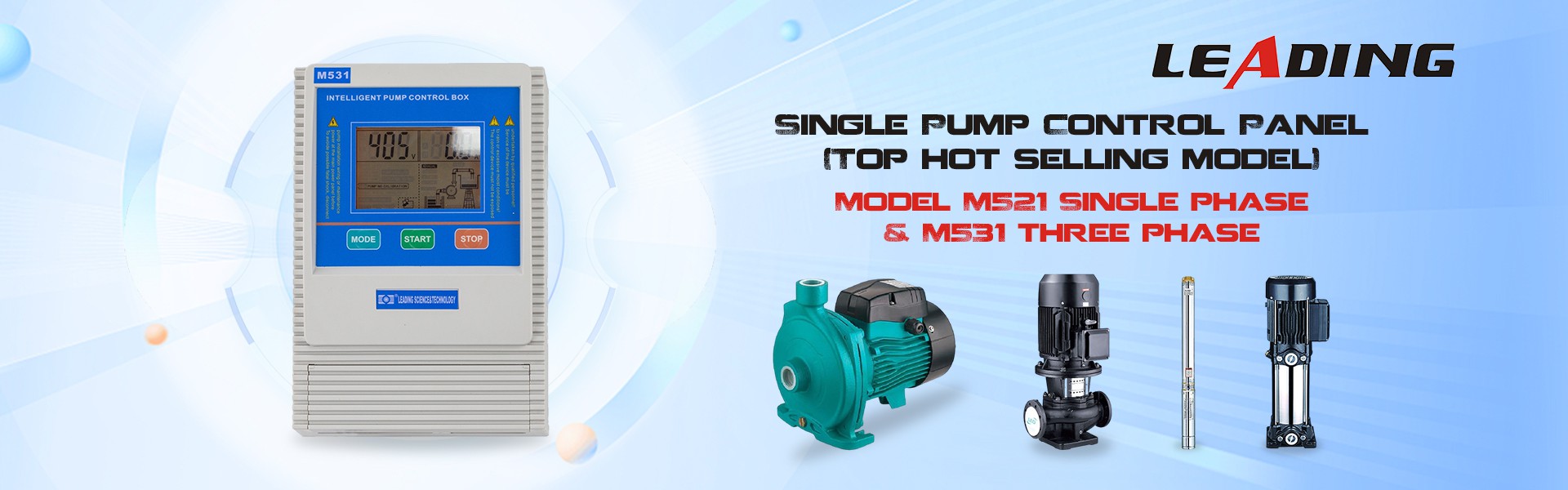


The Role of Pressure Controllers in Optimizing Water Pump Performance
Introduction to Pressure Controllers and Their Importance
In the world of fluid dynamics, maintaining optimal performance in water pumps is crucial for efficiency and reliability. Pressure controllers play an essential role in this process. By regulating the pressure in pumping systems, they ensure that water is delivered at the desired flow rate and pressure, which is vital for a wide range of applications, from irrigation systems to industrial processes.
Understanding Pressure Controllers: A Comprehensive Overview
Pressure controllers are devices designed to maintain a predetermined pressure level in a fluid system. They automatically adjust the flow of fluid based on real-time pressure data. This functionality is key to preventing issues such as over-pressurization, which can lead to equipment failure or inefficiency.
How Pressure Controllers Function
To understand the role of pressure controllers, we must first examine their operational mechanisms. These devices typically utilize sensors to monitor pressure levels within a system. When the pressure deviates from the set point, the controller activates or deactivates pumps or valves to restore the desired pressure. This automatic adjustment contributes significantly to the overall efficiency of water pump systems.
Types of Pressure Controllers
There are several types of pressure controllers, each designed for specific applications. The most common types include:
- Electronic Pressure Controllers: These use advanced sensors and microcontrollers for precise regulation.
- Mechanical Pressure Controllers: These rely on mechanical components like springs and diaphragms to maintain pressure levels.
- Hydraulic Pressure Controllers: Utilized in larger systems, these controllers manage pressure through hydraulic mechanisms.
By understanding the differences among these types, users can select the right pressure controller for their specific needs.
The Benefits of Using Pressure Controllers in Water Pump Systems
Integrating pressure controllers into water pump systems offers numerous advantages:
1. Enhanced Energy Efficiency
One of the primary benefits of pressure controllers is their ability to optimize energy use. By ensuring that pumps operate only when necessary and at the correct pressure, these devices minimize energy consumption, which translates into cost savings over time.
2. Improved System Longevity
Maintaining a consistent pressure reduces the strain on pumps and other components. This reduction in wear and tear enhances the overall lifespan of the equipment, leading to lower maintenance costs and fewer replacements.
3. Better Flow Control
Pressure controllers enable precise flow management, ensuring that water is delivered at the required rate. This accuracy is particularly important in applications like irrigation, where plants depend on consistent water supply.
4. Prevention of Water Hammer
Water hammer is a phenomenon caused by sudden changes in pressure, leading to shock waves that can damage pipes and fittings. Pressure controllers mitigate these risks by maintaining steady pressure levels, enhancing system safety.
Applications of Pressure Controllers in Water Pump Systems
Pressure controllers can be employed in various settings, including:
1. Agricultural Irrigation
In agricultural applications, maintaining the right pressure is crucial for effective irrigation. Pressure controllers ensure that water is distributed evenly across fields, promoting healthy crop growth.
2. Industrial Processes
Many industrial processes require precise control of fluid dynamics. Pressure controllers help manage water flow in manufacturing plants, cooling systems, and other applications, enhancing operational efficiency.
3. Municipal Water Supply
In municipal water systems, pressure controllers play a pivotal role in delivering water to consumers. By maintaining optimal pressure levels, they help ensure a stable supply while minimizing the risk of leaks and bursts in the infrastructure.
Choosing the Right Pressure Controller for Your Water Pump System
Selecting the appropriate pressure controller involves understanding your system's specific requirements. Consider the following factors when making your choice:
1. System Size and Capacity
Larger systems may require more advanced controllers, while smaller systems might benefit from simpler mechanical options. Assessing the size and capacity of your water pump system is crucial.
2. Desired Pressure Range
Different applications require different pressure levels. Ensure that the controller you choose can maintain the necessary pressure range for your specific use case.
3. Compatibility with Existing Equipment
It's essential to ensure that the pressure controller is compatible with your existing pumps and infrastructure. Incompatible equipment can lead to inefficiencies or system failures.
4. Control Mechanism
Decide whether you need an electronic, mechanical, or hydraulic controller based on your system's complexity and requirements. Electronic controllers offer advanced features, while mechanical options may suffice for simpler applications.
Installation and Maintenance of Pressure Controllers
Proper installation and maintenance are critical to ensuring the long-term functionality of pressure controllers.
1. Installation Guidelines
It's advisable to have a qualified technician install your pressure controller. They will ensure that it's correctly integrated into the existing system, minimizing the risk of errors.
2. Routine Maintenance Practices
Regular maintenance checks are vital. Inspecting sensors and connections, calibrating the device, and replacing worn components will help maintain optimal performance.
Common Challenges and Solutions in Using Pressure Controllers
While pressure controllers offer many benefits, users may encounter challenges:
1. Sensor Malfunction
Sensor failures can lead to inaccurate pressure readings. Regular inspections can help detect issues early.
2. Incorrect Calibration
If a pressure controller is not calibrated correctly, it may not maintain the desired pressure. Users should follow manufacturer guidelines for calibration.
3. System Overload
In some cases, a system may become overloaded, causing pressure spikes. Implementing pressure relief valves can help manage these situations.
Future Trends in Pressure Controller Technology
The field of pressure control technology is continually evolving. Emerging trends include:
1. Integration of IoT Technology
The Internet of Things (IoT) is paving the way for smart pressure controllers that can communicate data in real-time, providing users with valuable insights into system performance.
2. Enhanced Automation
Advancements in automation technology are making pressure controllers more efficient, allowing them to adapt to changing conditions without manual intervention.
3. Energy-Efficient Models
As energy efficiency becomes increasingly important, manufacturers are developing pressure controllers that consume less power while delivering superior performance.
Frequently Asked Questions (FAQs)
1. What is the primary function of a pressure controller?
A pressure controller regulates the pressure within a fluid system, ensuring that it remains within a specified range for optimal performance.
2. How do I know if my pressure controller needs maintenance?
Indicators of maintenance needs include fluctuating pressure readings, unusual noises from the pump, or reduced flow rates.
3. Can pressure controllers be used in residential applications?
Yes, pressure controllers can be effectively used in residential water supply systems to ensure consistent pressure.
4. What are the signs of a malfunctioning pressure controller?
Common signs include erratic pressure fluctuations, failure to maintain set pressure, or alarms indicating system errors.
5. Are there energy-efficient pressure controllers available?
Many manufacturers now offer energy-efficient models that reduce power consumption while maintaining performance.
Conclusion
In conclusion, pressure controllers are pivotal in optimizing water pump performance across various applications. They enhance energy efficiency, prolong system lifespan, and ensure consistent water flow. By understanding how these devices operate and the benefits they provide, users can make informed decisions regarding their implementation. Whether in agricultural, industrial, or municipal contexts, the right pressure controller can lead to significant improvements in operational efficiency and cost savings. Embracing advancements in pressure control technology will only further enhance these outcomes, driving the future of water management systems.